
Exodus 16–17; Deuteronomy 8:1–4; Hebrews 11:13–16; 1 Peter 2:11–12
4249 AM (489 CE) – WILDERNESS WANDERINGS
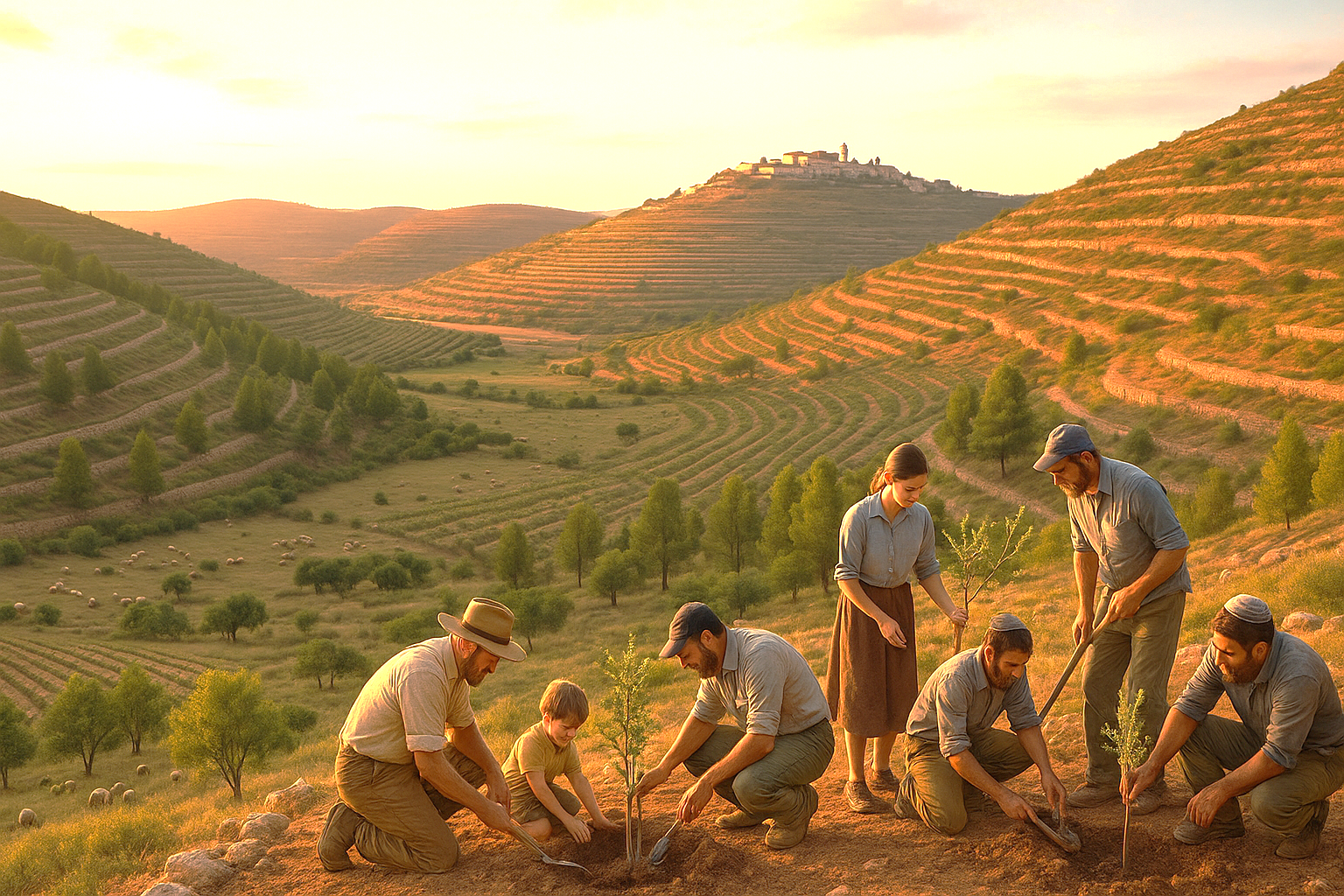
Rabbi Samuel and his Messianic community were in a fervent rush, their lives upended by the shifting tides of power in Rome. As the summer solstice approached, they sold what they could, packed the essentials, and prepared to leave behind their deeply rooted lives – homes, farms, and businesses built with years of sweat and toil. Rabbi Samuel pondered the injustice of it all. Neither the Bishop nor Constantine seemed to grasp the true cost of their decrees.
The decision to leave was wrenching but necessary. Opting for the relative safety of the sea over the treacherous land routes frequented by brigands, the community planned their escape to Israel. This strategy also aligned with the interests of local Roman officials, eager to be rid of what they considered a problematic sect. Thus, with a somber blessing from Bishop Eusebius, they embarked on their perilous journey.
The voyage was grim, a three-week ordeal marked by cramped quarters, scant rations, and relentless seasickness. Storms threatened continuously, heightening the misery of their passage. When they finally disembarked in Gaza, the relief was palpable. They stepped onto the soil, weary but hopeful, much like Noah might have felt in a new world ripe with promise and challenges.
But Rabbi Samuel knew their stay in Israel would be transient. The land, still under Roman dominion, was no safe haven for a Jewish community. Their journey was far from over. Gathering their meager belongings, they traveled southeast, past Be’er Sheva, crossing the Jordan towards Ma’an, and further south to Aqaba. They finally settled near Tabuk, a region that seemed welcoming, almost serene.
In this new home, the echoes of the great Nabatean empire lingered – once masters of the area and key trade routes, before Rome’s conquests. The local Arab tribes, familiar with the hardships of displacement, generally viewed the newcomers with sympathy and curiosity. Here, where the desert stretched endlessly, Rabbi Samuel’s community found a semblance of peace.
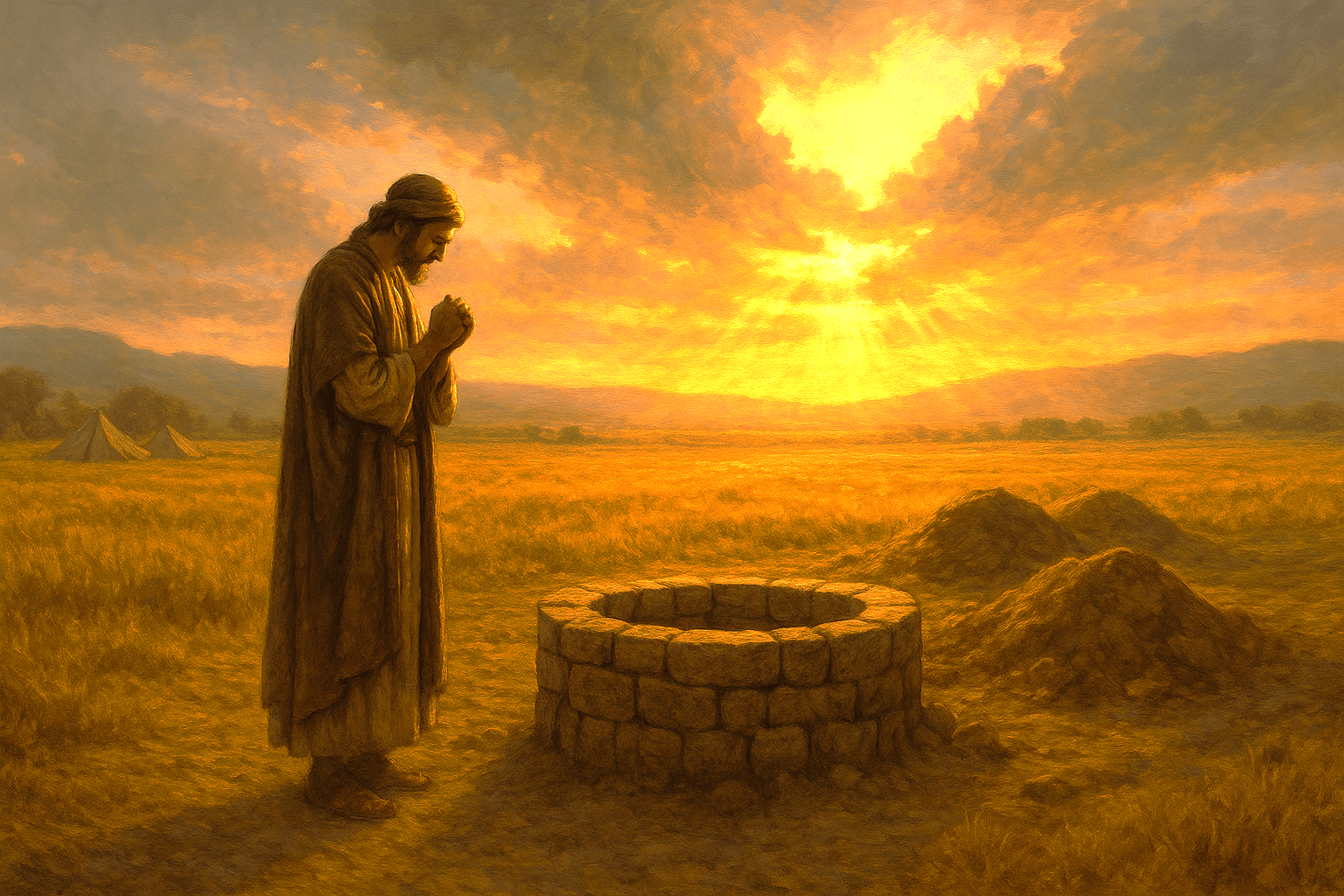
As they adapted to local customs and grappled with the inevitable cultural clashes, they discovered the harsh and beautiful dichotomy of the desert. It was a land that tested their spirits but also held the promise of new beginnings. The desert, with its unyielding sun and shifting sands, was not just a backdrop to their struggles; it became a central character in their story of survival and adaptation, a stark yet beautiful reminder of their enduring resilience.
☼ ☼ ☼
Generations had passed since Rabbi Samuel and his followers fled the imperial grasp of Rome, but his legacy endured vibrantly within the messianic community he had founded. Each year, as the sands of the desert shifted ceaselessly, the community gathered for the Al-Dhikra Al-Sanawiyyah – a solemn yet joyous annual remembrance of Mu’allim Samuel, their revered teacher and spiritual father. Nearly a century and a half after his passing, Samuel’s teachings about the Creator’s love and the sacrifice of Isa al-Masih, Yeshua the Messiah, continued to resonate deeply with a community now far larger than the original group that had escaped Rome.
Samuel had been more than a teacher; he was the cornerstone of their faith, a brother in their struggles, and a father in their spiritual journey. Every year, they celebrated the truth he had championed – that of Yeshua’s enduring love and sacrifice. The commemoration was both a remembrance and a vibrant celebration of faith that transcended time.
Yet, the desert was an unforgiving custodian of history. The precious Torah scrolls and other sacred writings had long succumbed to the arid winds, disintegrating into the dust from whence they came. The original languages of Hebrew, Aramaic, and Greek faded from daily use, replaced by the local Arabic dialects that were woven into the fabric of everyday life. Despite these changes, the community clung tenaciously to their monotheistic beliefs, a stark contrast to the prevailing polytheism of their Arab neighbors.
Over time, the absence of great scholars in their midst meant that their understanding of Judaism and the teachings of the Torah began to wane and distort. What remained was a simple, unadorned faith staunchly opposed to polytheism but lacking in theological depth.
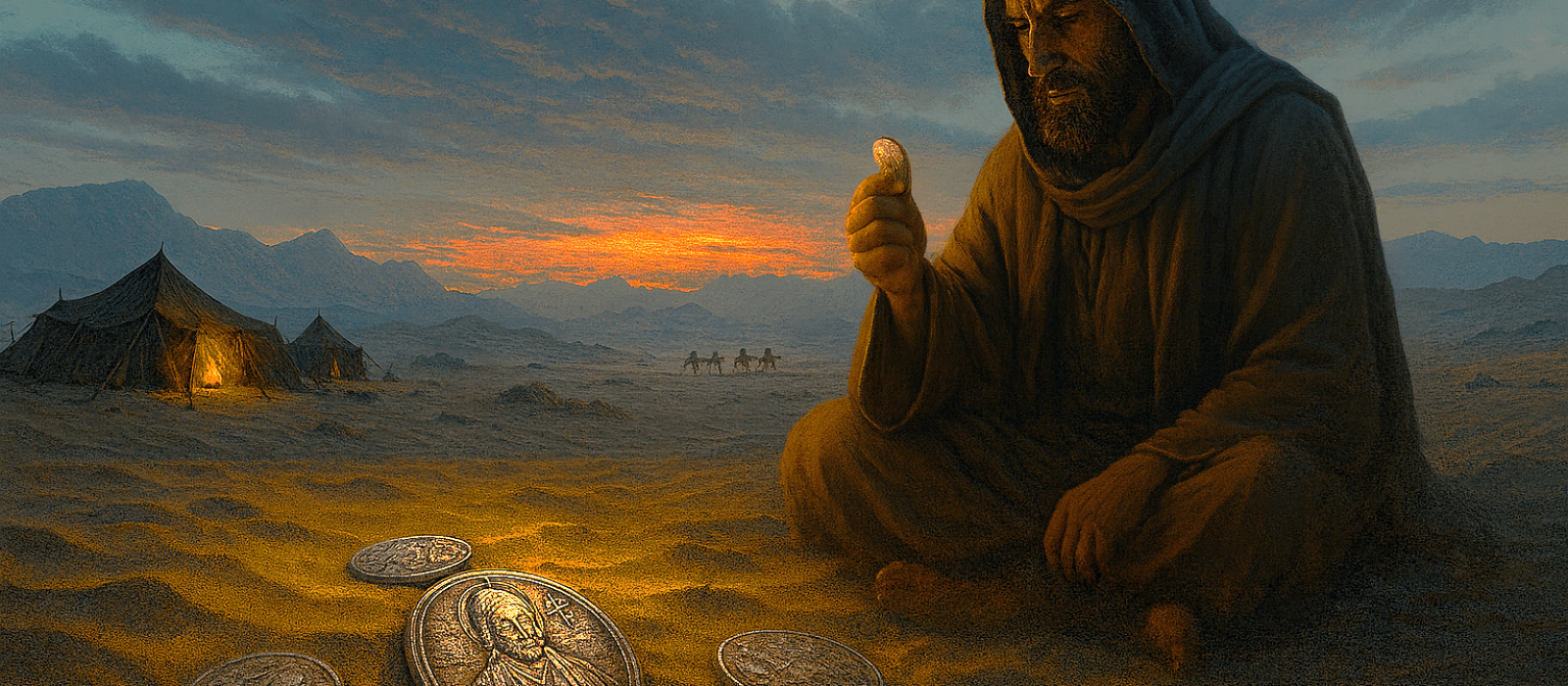
In an enduring effort to keep their founder’s memory and the message of Isa alive, the community took to minting coins. These coins bore the serene image of Isa – Yeshua as he was once known – with a cross poised above his head and another in his hand, symbolizing that he was not only their salvation but also the savior of the entire world. The reverse side of each coin carried the word “Mahmud” – meaning “one who is worthy of praise.”
This symbolic gesture, however, was all that remained of the intricate doctrines once taught by Samuel. The teachings of Isa al-Masih were now transmitted through fragmented stories and songs, echoes of the original Besora translated into Arabic generations ago, now barely legible.
Despite the erosion of their detailed religious knowledge, the community’s moral fiber remained intact. They dealt justly with their neighbors and the Ishmaelite traders who passed through, earning a reputation for honesty and integrity. These coins, embossed with the image of the Messiah, circulated far beyond the reaches of the desert, sparking recognition and understanding among those familiar with the stories of Judaism and Christianity. Tales of a nomadic community near Tabuk, who spoke Arabic and minted coins celebrating the Messiah, spread far and wide, adding a layer of mystery and reverence around the small but steadfast group that continued to live out the legacy of their beloved Mu’allim Samuel under the vast, unyielding sky.
☼ ☼ ☼
As the sands of time swept relentlessly across the deserts of the Near East, the once vibrant messianic community founded by Rabbi Samuel found themselves increasingly isolated, their practices and beliefs clashing starkly with the cultural and religious tapestry of their surroundings. This small, resilient group of nomads, descendants of a congregation that had fled the oppressive grip of Roman persecution, now found themselves caught in the undercurrents of a new and growing tension.
The community clung to their ethical monotheism with a simplicity and fervor that had been passed down through generations. They preached of one God, Elohim, a belief that increasingly irked the neighboring Arab tribes. In a region where the city of Mecca was revered as a sanctuary housing countless deities, the insistence of this small group on the exclusivity of one supreme deity was not just countercultural – it was seen as an affront.
At first, the discord manifested in subtle ways – cold shoulders at the market, whispered slurs behind their backs. But it wasn’t long before these undercurrents of discontent began to surface more violently. Individuals from the community, once part of a peaceful tapestry of diverse tribes, began to suffer unprovoked attacks, singled out for their faith in a landscape that celebrated plurality.
As resentment simmered and hostility grew, the petty harassments gave way to outright aggression. Armed conflicts erupted, sporadic at first, but with increasing frequency and ferocity. The descendants of Rabbi Samuel, a people whose history was steeped in the pursuit of peace and moral righteousness rather than warfare, found themselves ill-prepared to defend against such assaults.
Surrounded by tribes that viewed their adherence to monotheism as an obstinate rejection of the regional norms, the community’s situation grew increasingly perilous. The tension reached a tipping point, and the conflict escalated into a struggle for survival. Their simple lives, devoted to farming and prayer, could not withstand the mounting pressures of armed hostility from their neighbors.
Within a few short decades, the vibrant culture and rich traditions of the messianic community were all but extinguished. The echoes of their prayers and the lessons of their faith faded into the harsh desert winds, leaving behind little more than the coins they had minted – coins that bore the serene image of Isa, the Messiah they revered as the savior and holder of the world’s hope.
These coins, inscribed with the name “Mahmud” and images that celebrated their faith, became the last vestiges of a once-thriving community. Ironically, it was their unique contribution to the regional lexicon – the name “Muhammad,” coined in honor of their beliefs – that persisted, woven inadvertently into the fabric of the emerging Islamic tradition.
Thus, what began as a sanctuary from persecution ended as a poignant reminder of the community’s fragile existence, swallowed by the very sands beside which they had once sought refuge. The legacy of Rabbi Samuel’s followers, though nearly obliterated by the tides of conflict and cultural clash, lived on in subtle and unexpected ways, threaded through the history of a region marked by its deep religious and cultural complexities.
Used with permission by the author. Find the author’s complete works online: Complete Works of Mack Samuels