
2445 AM (1315 BCE) – SHAMGAR
Once again, the Philistines were making a stink of themselves in the nostrils of the Israelites. They had reoccupied parts of the southernmost Gaza, even though that area had been cleared out for the tribe of Dan several generations ago with the help of Joshua and Caleb. And yet, here they were again.
Shamgar was annoyed. No, he was angry. Actually, more annoyed than angry. If his fellow countrymen could just keep their pants on! No, he was angry. Did Adonai not bring them out of Egypt? Set them up in this new land? And in just a few generations, everyone went from strong survivalist types living off the meager desert to gluttons trying to impress their Philistine neighbors with their multiculturalism.
What made Shamgar most angry was that he himself was not innocent either. He had been to the fertility temple. Astarte was so alluring. It was so intense. He thought about the impressionable young men he saw there.
On the one hand, you have Adonai telling you to get married first and only have intimate relations with your wife for the rest of your life. I mean, Adonai says the purpose of existence is to be fruitful and multiply, and he sets up a bunch of rules on how that is to be done so that humanity would last generations, not just one generation.
But, on the other, you have this fertility goddess encouraging you to have as many random partners as you can, as young as you can. Astarte worship, if you can call it worship, focuses only on the sex, and her worship is designed to go against the whole procreation, responsibility, and family thing. How could someone so young not be easily swayed to follow the false idols?
Shamgar checked himself. It is why he was sent. It was because he knew all too well how destructive the false gods were, and what the abhorrent practices were really all about. Didn’t Adonai eradicate the Amorites, Jebusites, and Amalekites—oh, especially the Amalekites—because they defiled their marriage bed, their animals, and even their children? And now Israel was being led down that same primrose path.
Shamgar could not let it go. He had to do something about it, but he was just one man. Well, just one man who had been visited in a dream by Adonai telling him what to do. To Shamgar’s delight, these nightly covert ops had confounded the Philistines, as Adonai said they would.
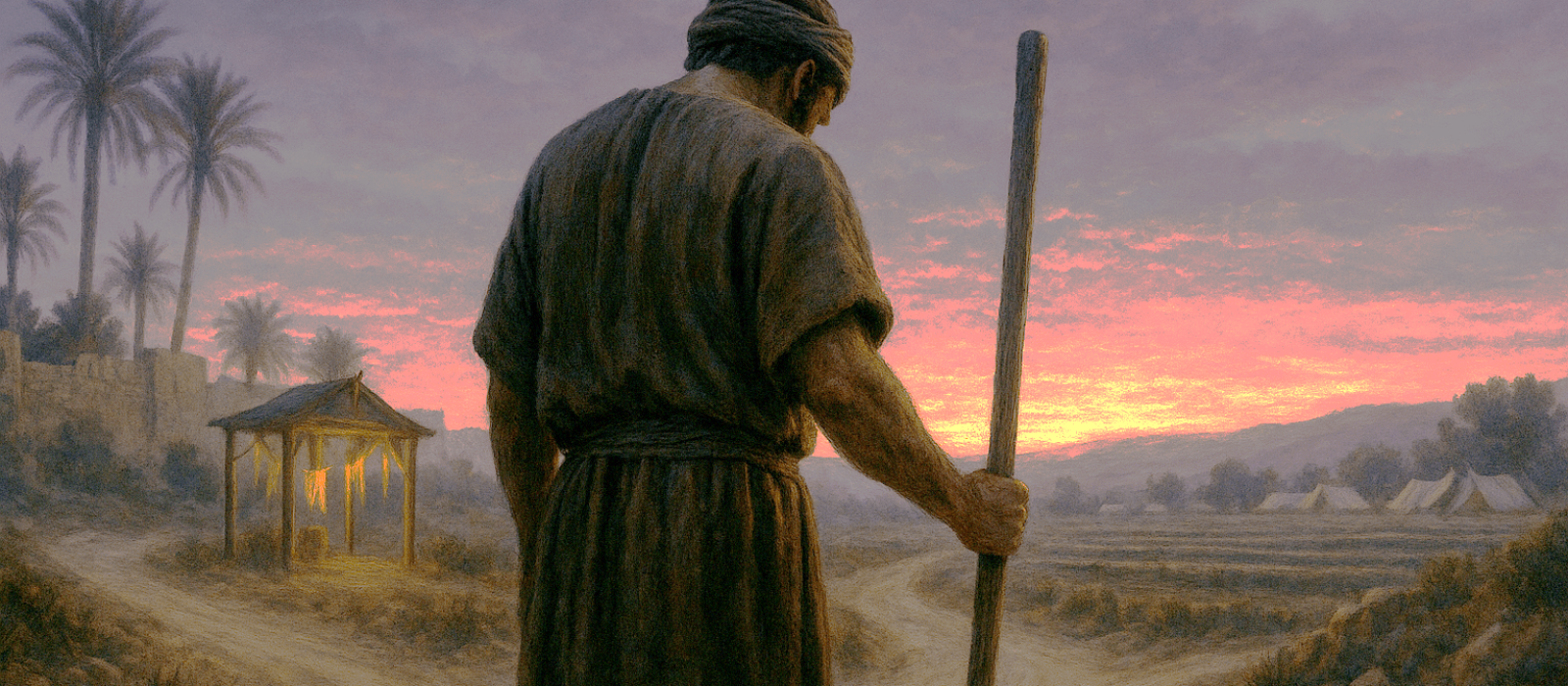
The Philistines would be worshiping their false gods and suddenly their whole makeshift temples would be engulfed in flames. Many said it was magic. Shamgar knew better. It had been easy to arrange, at least at first, with a judicious application of pitch and straw. They were getting smarter, but Shamgar had managed to eradicate most of their worship locations and high places.
The side effect of the religious pollution in Israel was that it was a gateway for the reintroduction of the Philistine army into the region of Dan. It was slow, like the Philistine delicacy of slowly boiling a kid in its mother’s milk. They give what seems like comfort and familiarity, and then add just a little more pagan, a little more Dagon, and a little more Baal. They compromise you a little here, and then turn up the heat. In the case of Dan, the armies of Israel no longer had safe passage in or around Dan.
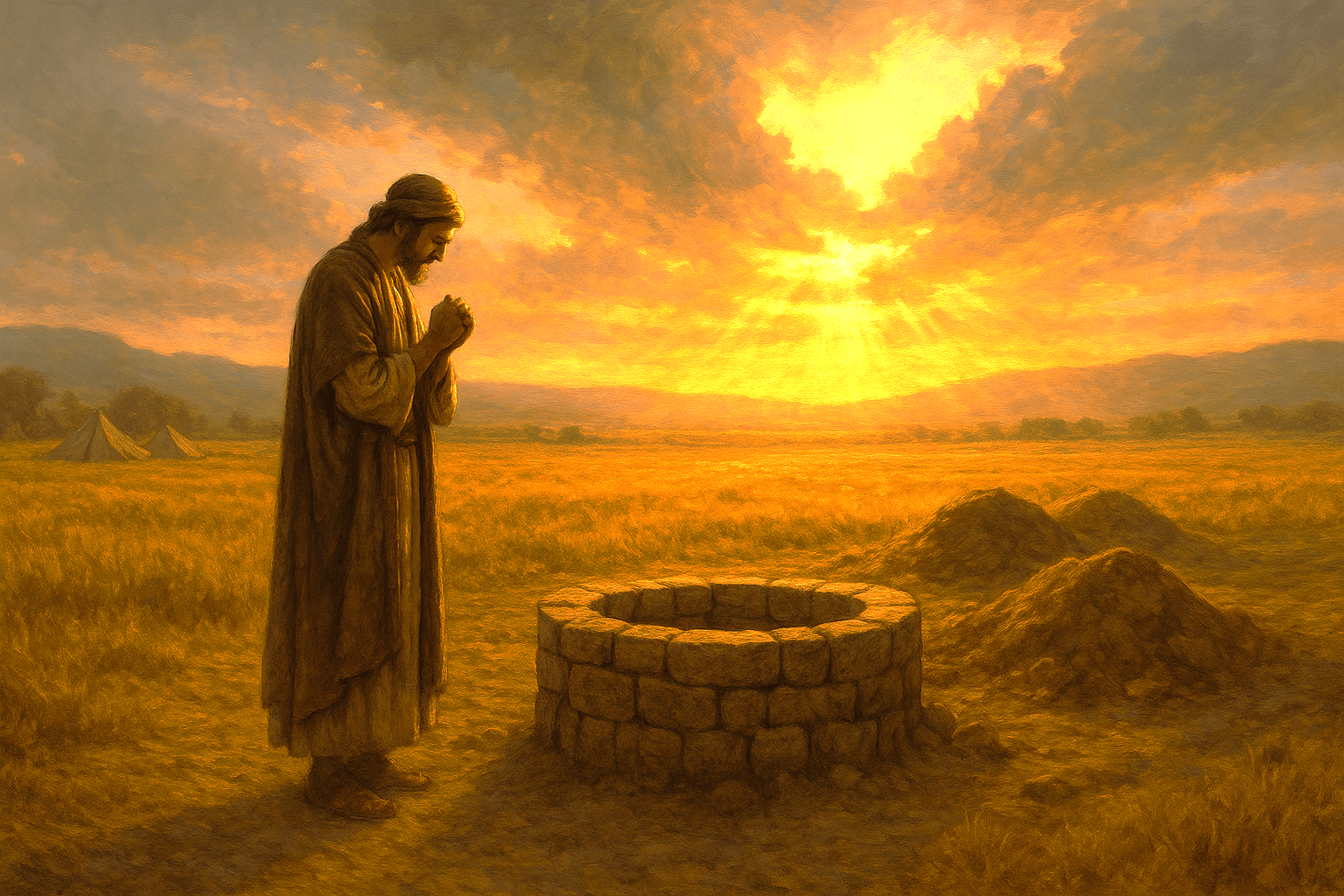
This, Shamgar decided, had to change. Adonai had come to him in a dream, and he would be as faithful as possible, as long as possible, even at the cost of his own life.
Adonai had shown Shamgar the malignancy of the Philistines, of Baal and Astarte, and of course Dagon. He was being sent to eradicate that malignancy. There is but one Elohim who created the heavens and the earth. These false gods of wood and stone in men’s imaginations had no place in Israel.
He could not save everyone, but he had to protect the seed, even if he had to kill a thousand Philistines. Even if he had to die in the process.
It was always only about protecting the seed.
Used with permission by the author. Find the author’s complete works online: Complete Works of Mack Samuels