
Parashah Chukat Comments 2024
Our Torah portion (parashah) for this week is “Chukat,” the Hebrew word for “statute.” Parashah Chukat is found in Numbers 19:1–22:1 and is given that name because of its early mention in the Bible.
Numbers 19:1–2
Adonai spoke to Moses and Aaron saying, “This is the statute of the Torah which Adonai commanded, saying: Speak to Bnei-Yisrael that they bring to you a flawless red heifer on which there is no blemish and on which a yoke has never come.”
This portion is rich with many themes: HaShem instructed Moses in the laws of the red heifer, the ashes of which purify someone made ceremonially unclean by contact with a dead body.
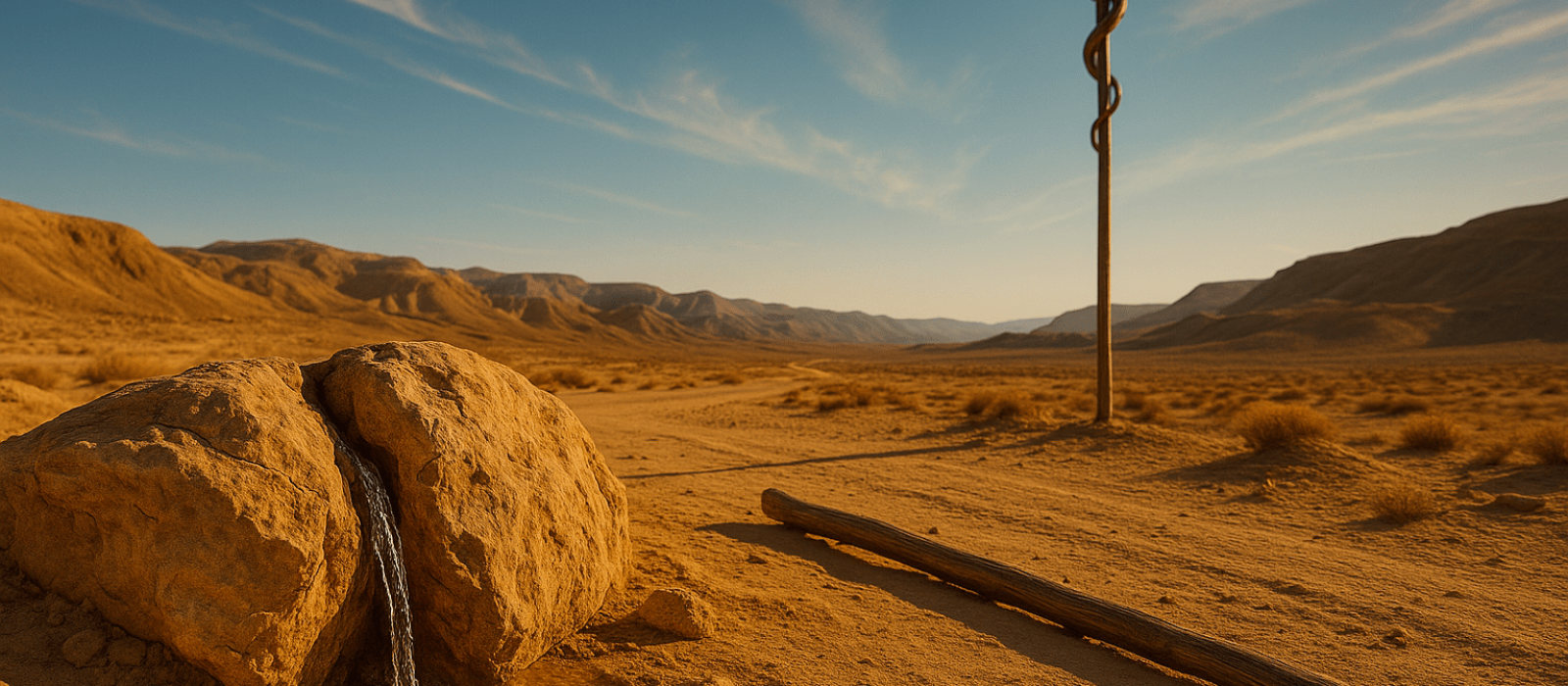
After that, having traveled almost 40 years in the desert, the people arrive in the Zin wilderness. Miriam dies, and the people grow thirsty and resume their complaints. Moses is instructed to speak to the rock and command it to bring forth water. The leader of the Israelites loses his temper and patience with the people and strikes the stone. Water gushes forth, but Adonai tells Moses that both he and his brother Aaron will die in the desert before the Nation enters the Promised Land.
Aaron dies and his son Eleazar succeeds him as High Priest. Poisonous snakes prey on the people following more complaining in which the people criticize God and Moses. God directs Moses to erect a bronze serpent on a high pole, and those who gaze upon it are healed. The people sing a song describing the miraculous provision of water in the desert. Moses then leads the people against the Amorite kings Sichon and Og—who oppose Israel’s attempt to pass through their territory—and Israel takes possession of their lands east of the Jordan River.
Moses Strikes the Rock
What I was prompted to share with you in this Torah portion revolves around Moses striking the rock to bring forth water for the thirsty Hebrews.
Numbers 20:7–11
Adonai spoke to Moses, saying, “Take the staff and gather the assembly, you and your brother Aaron. Speak to the rock before their eyes, and it will give out its water. You will bring out water from the rock, and you will give the community something to drink, along with their livestock.”
So Moses took the staff from before the presence of Adonai, just as He had commanded him. Moses and Aaron gathered the assembly in front of the rock. He said, “Listen now, you rebels! Must we bring you water from this rock?” Then Moses raised his arm and struck the rock twice with the staff. Water gushed out and the community and its livestock drank.
Some might say the punishment God meted out to Moses was excessive. He lost his temper and struck the rock rather than speak to it—true enough—but does that deserve the death penalty? And at Horeb, didn’t HaShem tell Moses, in Exodus, to strike the rock?
Exodus 17:6
“You are to strike the rock, and water will come out of it so that the people can drink.”
In his anger, couldn’t Moses have gotten just a little bit confused since there was some precedent for striking? Conversely, you might argue that God told Moses to speak to the rock, making the striking a blatant act of disobedience. Furthermore, you might add that the disobedience of the leader of God’s chosen people requires a penalty greater than anyone else because the leader is held to a higher standard. You might add that by striking the rock, Moses brought more glory to himself than was rightfully his. You might note that speaking rather than striking would have magnified the miracle. You might even argue that striking at Meribah could look like an attempt to show Moses’ power as if it were God’s own. Maybe the punishment also accounts for earlier failures—or maybe Moses was simply too old to lead.
But What About Aaron?
Yes, God told both Moses and Aaron to assemble the people so that the miracle of water from the rock could be witnessed by all the people (Numbers 20:8: “Take the staff and gather the assembly, you and your brother Aaron.”). But wasn’t it Moses alone who disobeyed?
Psalm 106:32–33
By the waters of Meribah they angered Him, and trouble came on Moses because of them; for they embittered his spirit, and he spoke rashly with his lips.
Doesn’t Aaron appear to be just an innocent bystander? We would be on shaky ground to accuse El Shaddai—the All-Sufficient One—of injustice. God deals with us according to the degree to which we adhere to the Law of God as expressed in the Torah, in the Tanakh as a whole, and in the Living Torah, Yeshua HaMashiach. A more prudent approach is to assume Almighty God knows what He is doing and to consider why Aaron had to suffer the same fate as his younger brother.
Moses and Aaron were partners in God’s deliverance of Israel from Egyptian slavery. Perhaps we should investigate how their fates are tied. We know Moses sinned in this reading. How did Aaron sin?
Both Aaron and Moses had tested God’s patience in the past. Now, when the people again complain, Moses and Aaron fall on their faces.
Numbers 20:6, 10
So Moses and Aaron went from before the assembly to the entrance of the Tent of Meeting and fell on their faces.
Moses and Aaron gathered the assembly in front of the rock. He said, “Listen now, you rebels! Must we bring you water from this rock?”
“Must we bring you water” hints that both leaders were taking credit that belonged to HaShem. Consider also that a new generation stood before them; except for Caleb and Joshua, their contemporaries had died in the desert. Perhaps a new generation needed new leadership.
Numbers 20:12
“Because you did not trust in Me so as to esteem Me as holy in the eyes of Bnei-Yisrael, therefore you will not bring this assembly into the land that I have given to them.”
Pinchas Stands; Aaron Stands Silent
Psalm 106:29–31
So they provoked Him with their deeds, and a plague broke out among them. But Phinehas (Pinchas) stood up and intervened, and the plague was stopped. And it was credited to him as righteousness, from generation to generation forever.
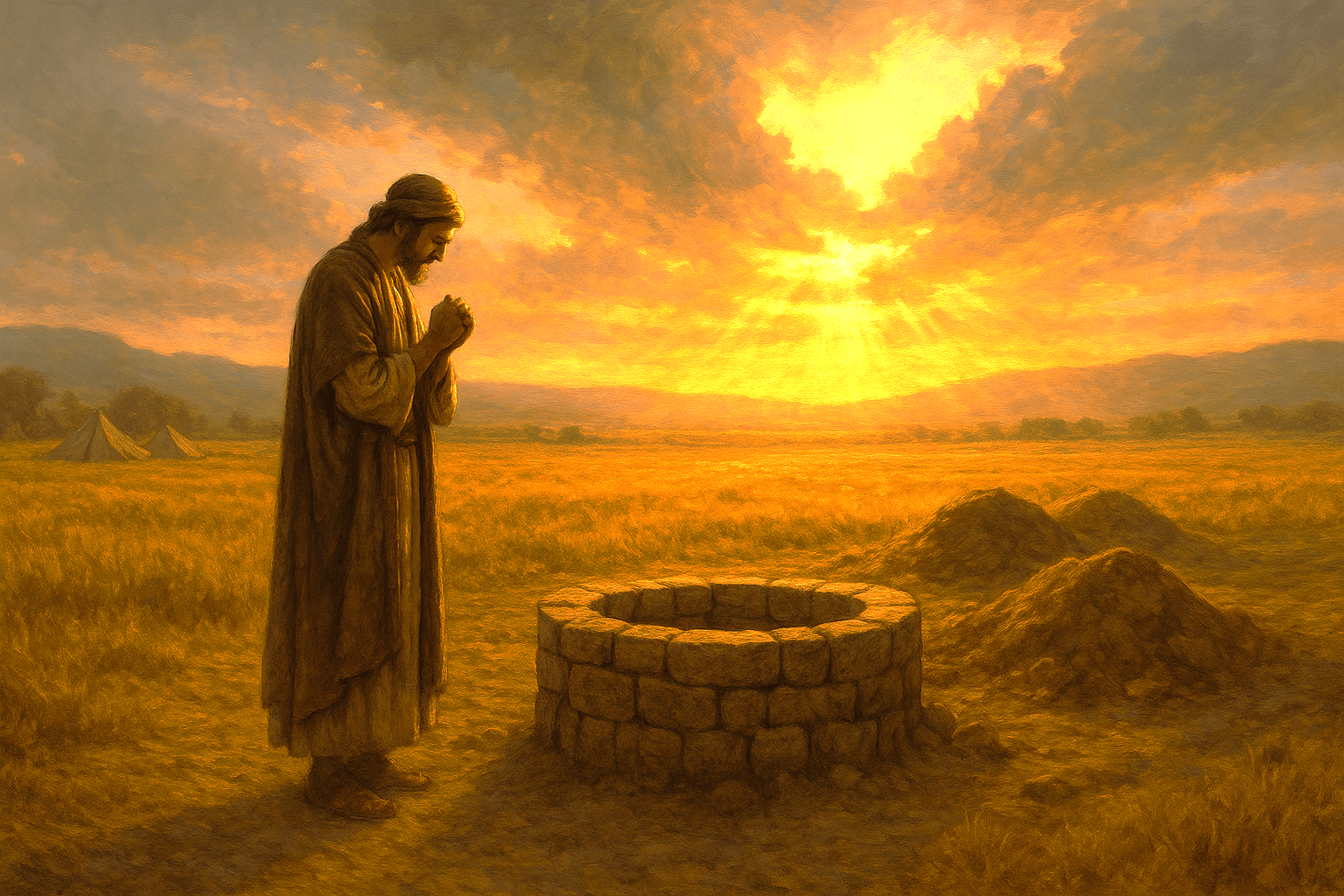
Pinchas, the son of Eleazar and grandson of Aaron, acted to stop a profane act and stayed God’s judgment. Aaron, by contrast, witnessed Moses strike the rock—twice—and did not intervene. Aaron’s sin was not one of commission but omission. By remaining silent, he made himself complicit.
The Jewish Ethic of Responsible Rebuke
Free will is foundational in Judaism, and with it the responsibility to be our brother’s keeper—physically and spiritually, now and for the future. A small sampling of sources:
Kohelet (Ecclesiastes) Rabbah 7:19 — God shows Adam the Garden and warns him not to ruin the world.
Sefer HaChinuch 529 — The righteous avoid waste and seek others’ well-being, striving to prevent loss and destruction.
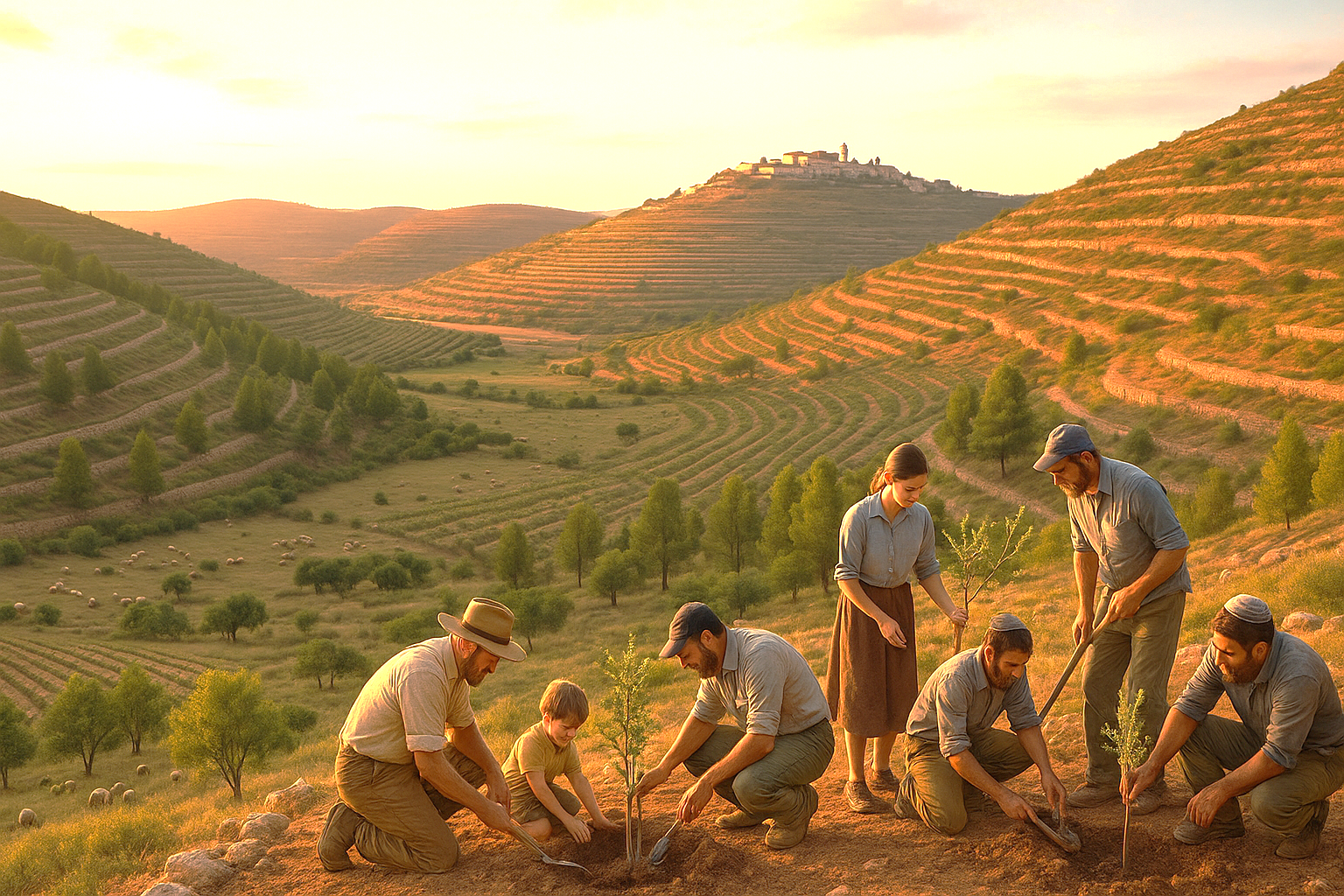
Midrash Tanchuma, Kedoshim 7 — Plant for your children as others planted for you; care for the future.
Shulchan Aruch, Yoreh De’ah 245 — A positive commandment to teach one’s children Torah; if not taught, one must teach oneself.
Talmud Bavli, Kiddushin 40b — Consider yourself evenly balanced; one deed can tip the scales for you and the world.
Rabbi Chaim Volozhin, Nefesh HaChaim 1:3 — Human deeds, words, and thoughts affect higher worlds, strengthening holiness or, God forbid, the opposite.
Sefer HaMitzvot, Asei 205 — The command to rebuke: Do not say, “Why should I care?” Indifference contradicts Torah.
Faith, Works, and Omission in the Brit Chadashah
Romans 6:23
“For the wages of sin is death…”
James 2:14–26
Faith without works is dead; Abraham and Rahab are examples of faith made complete by works.
The worst sin of omission is unrepented sin. We live amid a sea of sin; to keep the boat afloat, we must lovingly identify it and call one another to repentance—not to shame, but to restore.
Proverbs 24:11–12
Deliver those drawn toward death; if you say, “We did not know,” does not He who weighs hearts consider it?
We are to stand up for righteousness and for God’s morality in the public square. If we acquiesce—as Aaron did in that moment—we risk forfeiting God-given liberties. If we do not stand up for ourselves, who will? If not now, when?
May God bless us, protect us, instruct us, and encourage us to stand up for Him and His will. As for me and my house, we will serve Adonai. Amen.