
Parashah Nasso Comments 2024
At the end of chapter 6 in Parashah Nasso, the Torah gives us the words of the Priestly Blessing—Birkat Kohanim—spoken by Aaron and his sons over Bnei-Yisrael. These words have carried HaShem’s Name and shalom across millennia, from the wilderness of Sinai to our synagogues and homes today.
Numbers 6:22–27 (Tree of Life Version)
22 Again Adonai spoke to Moses saying, 23 “Speak to Aaron and to his sons saying: Thus you are to bless Bnei-Yisrael, by saying to them:
24 ‘Adonai bless you and keep you!
25 Adonai make His face to shine on you and be gracious to you!
26 Adonai turn His face toward you and grant you shalom!’
27 In this way they are to place My Name over Bnei-Yisrael, and so I will bless them.”
The Oldest Biblical Text Ever Found
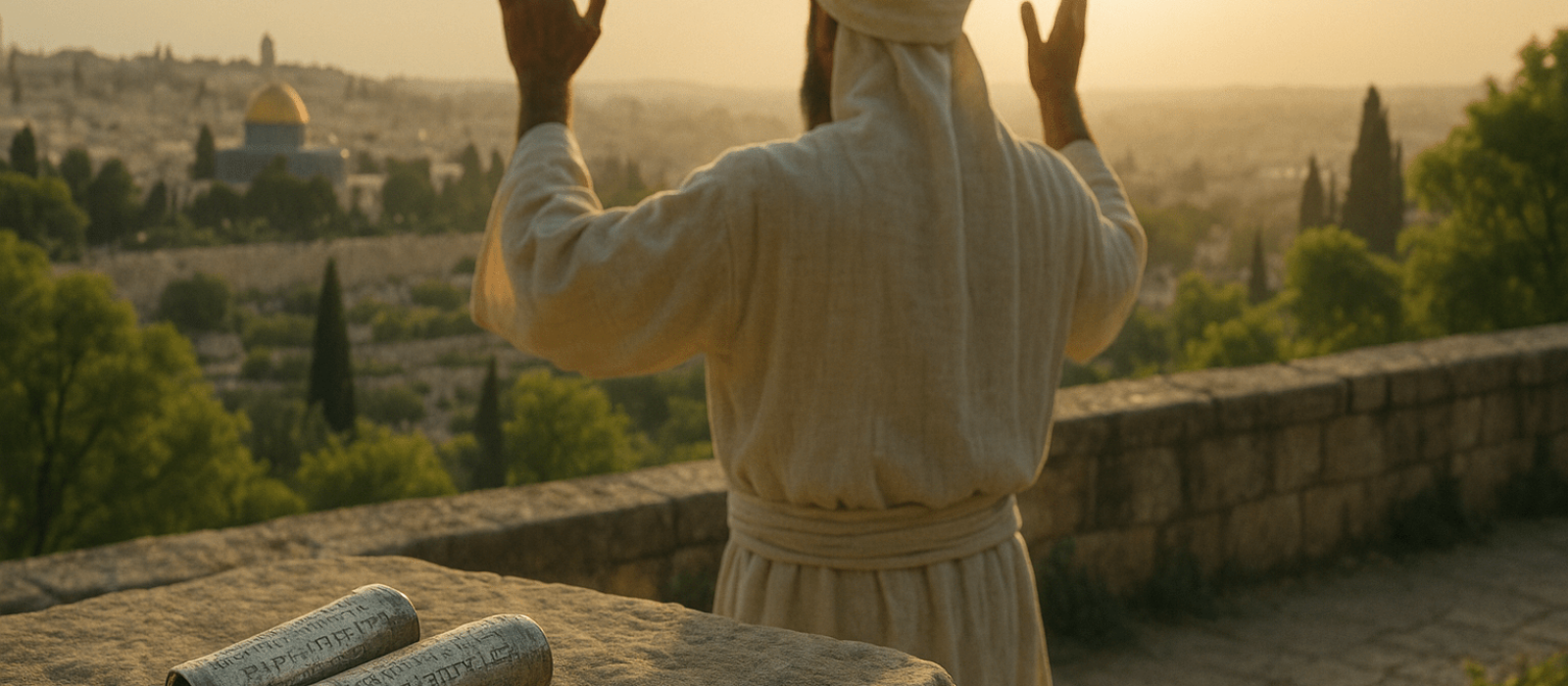
Archaeologists working in the Hinnom Valley of Jerusalem uncovered two tiny silver scrolls—amulets from the late First Temple period—inscribed with lines from this blessing. These Ketef Hinnom scrolls (c. 7th–early 6th century BCE) predate the Dead Sea Scrolls by centuries and preserve the covenant promise of protection, favor, and peace.
On those silver scrolls, the Hebrew lines appear in Paleo-Hebrew script, echoing the same blessing we proclaim today:
Y’varech’cha Adonai v’yeesh’m’reicha.
Ya’er Adonai panav eleicha vichuneka.
Yisa Adonai panav eleicha v’yasem lecha shalom.
If this sounds familiar, it is because these are the original Hebrew words of the Aaronic Benediction (Birkat Kohanim) we cherish. Their survival on silver reminds us: HaShem’s Name is placed upon His people, and His blessing endures.
For background on the discovery and dating of the Ketef Hinnom amulets, see: Ketef Hinnom Scrolls.
Why This Matters in Nasso
Nasso is a portion filled with the holiness of service, dedication, and order in the camp. The Priestly Blessing crowns these themes by making HaShem’s nearness tangible: guarding, shining favor, lifting His face, and granting shalom. In an age craving peace, these ancient words still speak life.