
Why Did God Choose Moses and Elijah?
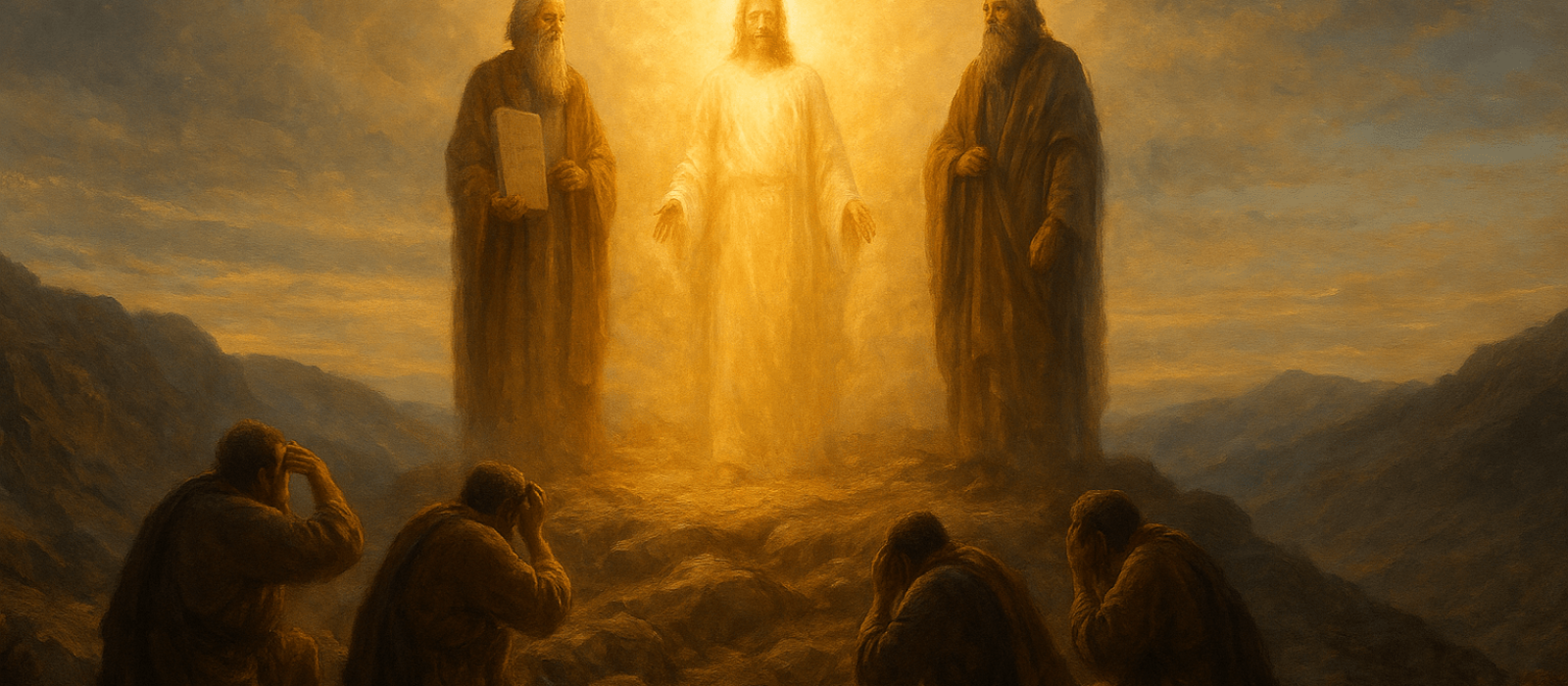
The Transfiguration is extraordinary. Out of the blue, two towering figures from the Tanakh appear with Yeshua (Jesus). His face and clothing blaze with glory, and Peter, Jacob (James), and Yochanan (John) hear the Father’s voice from heaven. Were Moses and Elijah literally present—bodily, for a moment—or was this a vision? We aren’t told with certainty. What matters is that it was those two men.
Why not Abraham and David—men whose promises converge in Messiah as their Seed? Or, given the intense pressures Yeshua was facing, why not Job or Jeremiah, who suffered in ways that resemble His own trials? For God’s purposes, it was Moses and Elijah.
What Moses and Elijah Share
Moses and Elijah share striking patterns with Yeshua:
Forty-day fasts: Both fasted forty days, just as Yeshua did in the wilderness.
Glory on a mountain: Both saw the kavod (glory) of God on a mountain—Moses at Sinai; Elijah at Horeb—so Yeshua’s radiant face and garments fit the setting perfectly.
Exodus pattern: Both undertook Sinai-bound journeys. Luke even tells us what they discussed with Yeshua: His “departure” to be fulfilled at Jerusalem—using the Greek word exodos (Luke 9:31), linking Yeshua’s redemptive work with the Exodus.
Luke 9:31 — “…who appeared in glory and were speaking of His exodus which He was about to accomplish at Jerusalem.”
When a Mission Looks Like Failure
Perhaps most pastorally, Moses and Elijah knew the ache of apparent failure.
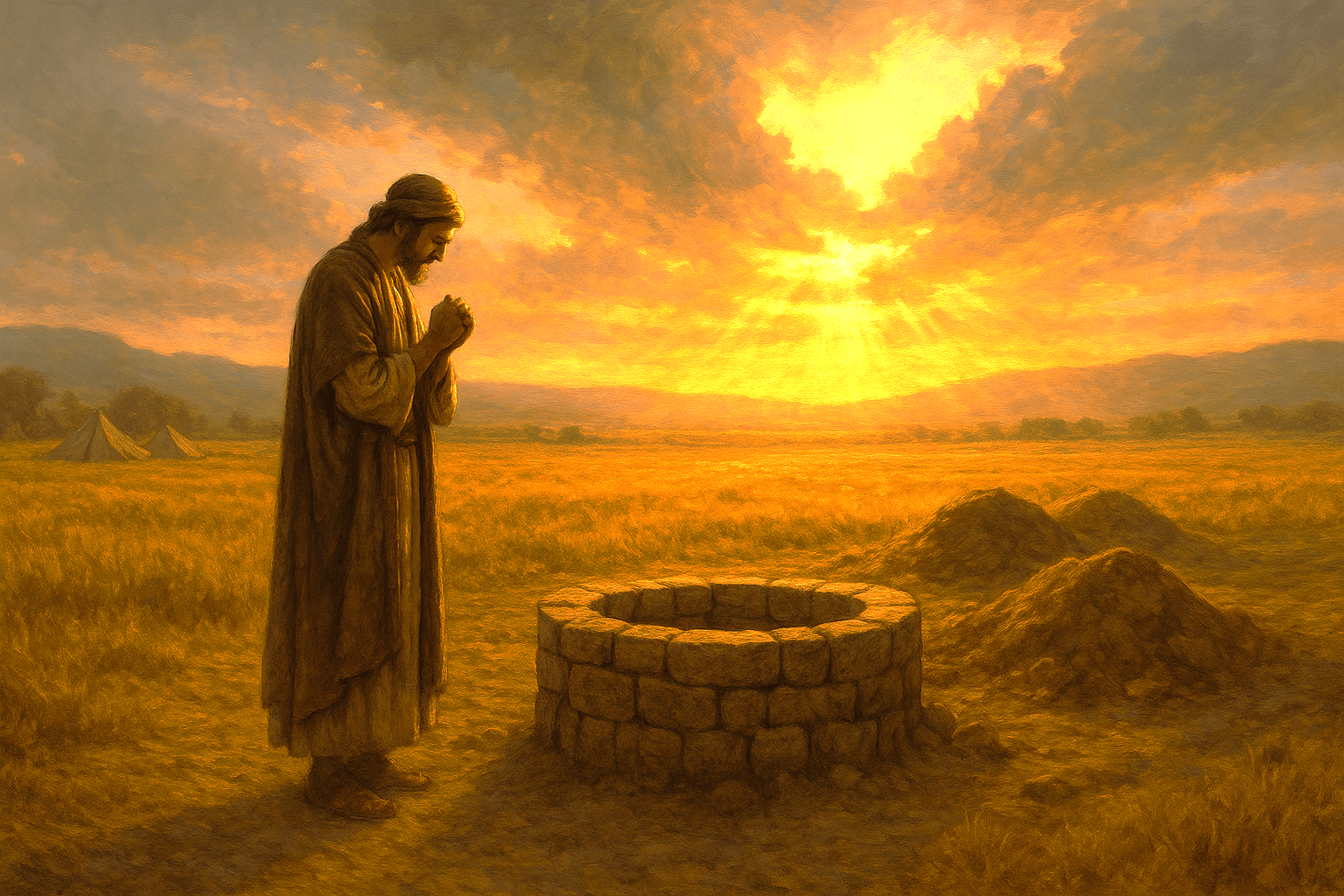
Moses led Israel out of Egypt, only to watch that generation fall in the wilderness for unbelief.
Elijah confronted Baal, saw fire fall, heard the people cry, “YHWH, He is God!”—and yet the nation hardly changed.
Yeshua’s mission, from a human vantage point, also looked doomed: He confronted Israel’s idolatry—legalism, hypocrisy—and was executed like a criminal. Who better than Moses and Elijah to strengthen Him? They “got it.” They had carried a word from God to a hard-hearted people and felt the weight of rejection.
Hebrews 12:2 — “…who for the joy set before Him endured the cross, despising the shame…”
Law and Prophets Bear Witness to Messiah
Traditionally, Moses represents the Torah, Elijah the Prophets—together, “Torah and the Prophets” bearing witness to Messiah. On the mountain, the great lawgiver and the fiery prophet stand beside the One who says, “I am the truth” (John 14:6), embodying the fulfillment of all Scripture.
Matthew 5:17 — “Do not think that I came to abolish the Torah or the Prophets; I did not come to abolish but to fulfill.”
Luke 24:27 — “Beginning with Moses and all the Prophets, He interpreted to them in all the Scriptures the things concerning Himself.”
The “Exodus” of Yeshua
Luke’s choice of the word exodos (Luke 9:31) is not accidental. As Moses led a people out from slavery by the blood of the lamb, Yeshua would lead a greater exodus—from sin and death—by His own blood. Elijah, the prophet who “departed” in a whirlwind, also prefigures the Ascension. Together they frame Yeshua’s death, resurrection, and ascension as the true and final Exodus.
Exodus 34:29–35 — Moses’ face shone after meeting with HaShem.
2 Kings 2:11 — Elijah was taken up by a whirlwind, foreshadowing ascension glory.
Our “Moses & Elijah” Moments
When we suffer, God often strengthens us through people who understand—fellow servants who have walked a similar valley. That is what Yeshua received on the mountain: not only glory, but companionship from witnesses who knew the pain of a calling that looks fruitless. In our kehillot (congregations), we can be that for each other—a transfiguration of perspective—as we discover we are not alone and that hope still burns.
Romans 15:4 — “For whatever was written in former days was written for our instruction, that through endurance and through the encouragement of the Scriptures we might have hope.”
Further Study (Resources You Noted)
“Moses and Elijah—what they have in common,” Tidings.
G. Campbell Morgan, “Why Did Moses and Elijah Appear on the Mountain?”
“Moses, Elijah, and Jesus: Why are they all together at the Transfiguration?” Aleteia.
David Platt, “They Were Writing about Me” (Luke 24:24–27), Radical.
Scripture References (set apart for WordPress)
Matthew 17:1–8; Mark 9:2–8; Luke 9:28–36 — The Transfiguration
Luke 9:31 — Exodos (His “departure”) to be accomplished at Jerusalem
Exodus 34:29–35 — Moses’ radiant face
1 Kings 19 — Elijah at Horeb/Sinai
2 Kings 2:11 — Elijah’s whirlwind departure
Malachi 4:5–6 — Elijah before “the great and awesome day of YHWH”
Luke 24:27 — Moses and the Prophets testify of Messiah
Romans 15:4 — Endurance and encouragement of the Scriptures
Takeaway
On the mountain, Torah and Prophets stand with Messiah, Sinai’s glory bathes the scene, and the final Exodus comes into view. The moment is not only theological; it is pastoral—God gives companions who understand—for Yeshua, and for us.