
Parashah Behar/Bechukotai Comments (2021)
Behar and Bechukotai are the last Torah portions (parashiot) in the Book of Leviticus (Vayikra). In non-leap years they are read together. The first parashah ends with Vayikra (Leviticus) 26:2:
“Keep my Shabbats, and revere my sanctuary; I am Adonai.”
The second parashah speaks of the Shabbats again, largely warning Israel about the consequences of disregarding these appointed rests.
The Many Sabbaths in the Torah
The first Shabbat appears in Genesis 2:2–3 as God rests from His work of creation. In Exodus 20:10–11 He tells us why He made Shabbat:
“For in six days, Adonai made heaven and earth, the sea and everything in them; but on the seventh day he rested. This is why Adonai blessed the day, Shabbat, and separated it for himself.”
In Exodus 23:12, Shabbat is for rest and renewal—for animals and people alike.
12 “For six days, you are to work. But on the seventh day, you are to rest, so that your ox and donkey can rest, and your slave-girl’s son and the foreigner be renewed.”
Exodus 31:15–16 emphasizes the holiness and perpetual covenant of Shabbat:
“On six days work will get done; but the seventh day is Shabbat, for complete rest, set apart for Adonai. Whoever does any work on the day of Shabbat must be put to death.”
“The people of Isra’el are to keep the Shabbat, to observe Shabbat through all their generations as a perpetual covenant.”
Exodus 34:21 forbids plowing or harvesting on Shabbat—challenging during the most intense seasons of farm life. As one farm wife once quipped, the worst thing that ever happened to a farmer was lights on a tractor.
Exodus 35:1–3 reiterates the holy character of the seventh day and adds a household detail:
“On six days work is to be done, but the seventh day is to be a holy day for you, a Shabbat of complete rest in honor of Adonai… You are not to kindle a fire in any of your homes on Shabbat.”
Leviticus 23:3 calls for keeping Shabbat “in all your dwellings.” Leviticus 23:24 declares the first day of the seventh month (Yom Teruah/Rosh HaShanah) a day of complete rest, and Leviticus 23:32 designates Yom Kippur ten days later as another complete rest. Leviticus 23 also marks the first and eighth days of Sukkot as days of solemn rest (Sh’mini Atzeret following).
Deuteronomy 5:14 broadens the scope of Shabbat mercy to family, servants, livestock, and the sojourner:
“…so that your male and female servants can rest just as you do.”
Why Rest Matters
God is emphatic about the holiness of His appointed times. The penalties in Torah signal the gravity of profaning sacred rest. Practically, it is common sense: recovery makes labor fruitful. Ignore rest after injury, and you prolong the pain. Ignore spiritual rest, and you invite a kind of “living death.”
Shemitah: The Sabbath of Years
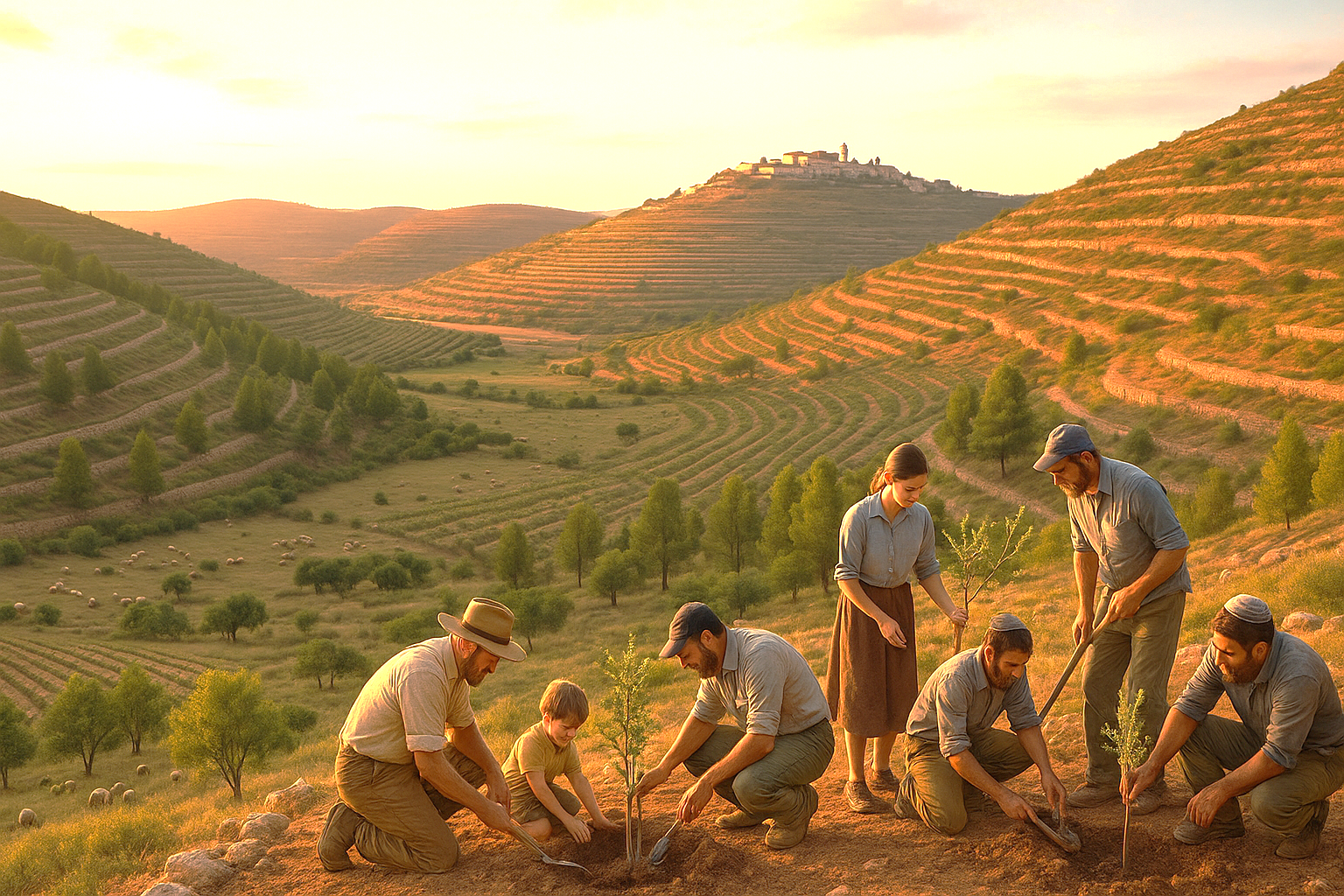
Exodus 23:10–11 introduces the Sh’mittah (Sabbath year) to bless the poor and even the wild creatures. Leviticus 25:4–5 repeats and intensifies the command that the land itself is to rest—no sowing, pruning, or harvesting what grows by itself.
“But in the seventh year is to be a Shabbat of complete rest for the land, a Shabbat for Adonai…”
Disobedience has consequences. Leviticus 26:33–35 says exile and desolation will repay the land its missed Sabbaths.
Rest, Inheritance, and Peace
Deuteronomy 12:10 and Joshua 1:13; 21:41–43 tie rest to inheritance and security in the Land. Conversely, Deuteronomy 28:65 forewarns restlessness and anguish among the nations when Israel rejects God’s ways.
Prophets and Wisdom: The Cure for Hurry-Sickness
Isaiah 28:12–16 and 30:15 call us back to the tested cornerstone and to salvation through returning and rest. Ecclesiastes concludes that ceaseless striving is “feeding on wind”—wise words for a generation that confuses busyness with faithfulness.
Yeshua and the Spirit of Shabbat
In the first century, many focused on the letter rather than the spirit of Torah. Yeshua taught that “the Sabbath was made for man,” inviting delight, not mere rule-keeping. Revelation 2–3 rebukes works without worship; the point of the Sabbaths is drawing near to God, not spinning our spiritual wheels.
“Enter My Rest”: The Apostolic Witness
Psalm 95:10–11 warns against hardened hearts that refuse entry into God’s rest. Hebrews 3–4 presses the same appeal:
“So there remains a Shabbat-keeping for God’s people… let us do our best to enter that rest.”
Yovel: The Jubilee
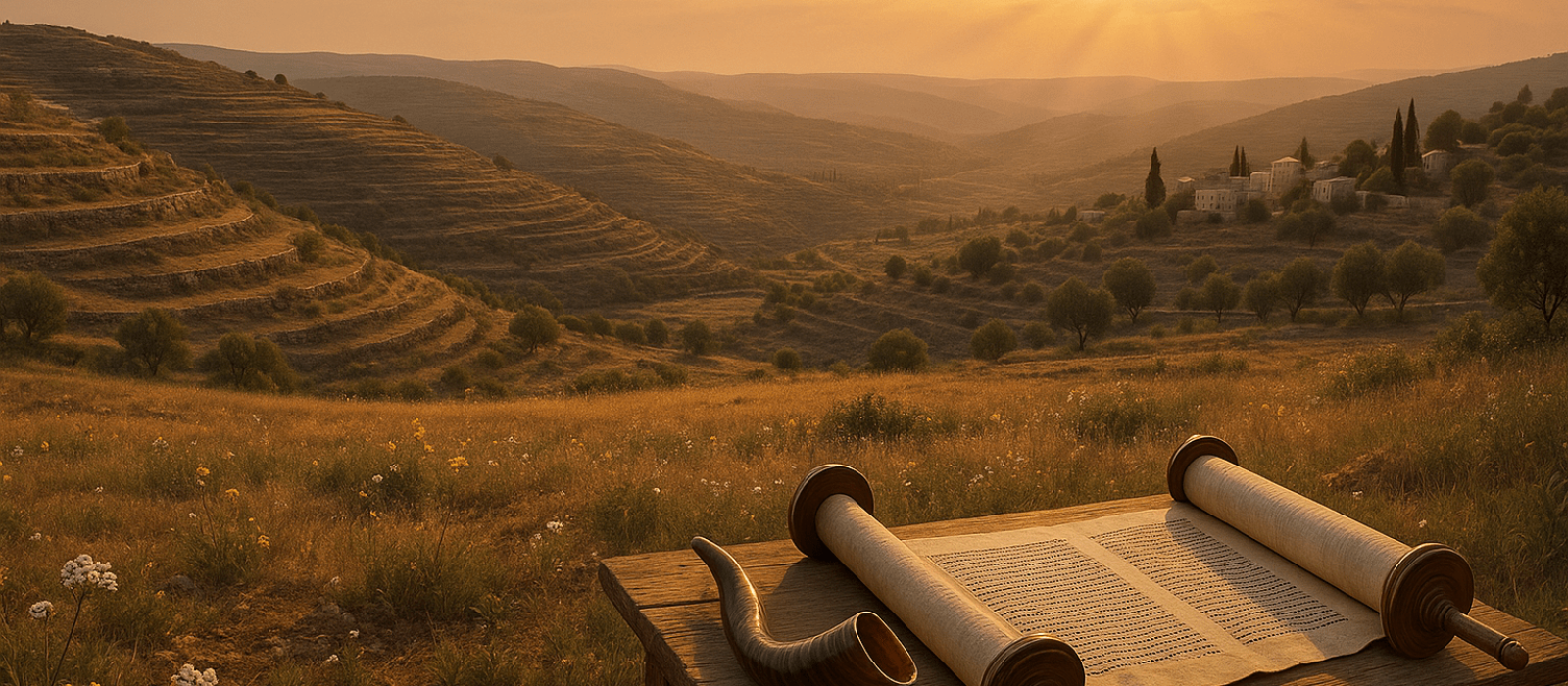
Yovel (Jubilee) follows seven cycles of years—the fiftieth year proclaimed with the shofar. It declares release, return, and reset, reminding us that land, money, and—most of all—people belong to God. While Shemitah is still observed by some in Israel, Jubilee has not been practiced for centuries, yet its theology still challenges our economics and our hearts.
Harbingers, History, and Humility
Voices like Messianic Rabbi Jonathan Cahn have argued that neglecting Shemitah and Jubilee invites national shaking. Whether specific correlations convince you or not, Scripture’s principle holds: God’s patience aims at repentance; ignoring His rhythms depletes soil, society, and souls. Our task is to hear and return.
Sanctifying Time
Shabbat trains us to sanctify time and taste the Olam Haba. Even if you worship on a different day, the point is rest unto God, not checking a religious box. Traditions must submit to Scripture. Replacement Theology—rooted in anti-Jewish bias—contradicts the very grafting-in Paul proclaims.
Practical Counsel and Hope
Let your Sabbath be for revival and renewal. Please God by loving Him and loving His children. Grow by the pure milk of the Word (1 Peter 2:1–2), making changes as the Ruach haKodesh convicts. We are at different places, but if He directs our steps, we will walk the same ancient path—the good way that gives rest (Jeremiah 6:16).
Yeshua’s Invitation
“Come to me, all of you who are struggling and burdened, and I will give you rest… and you will find rest for your souls.” (Matthew 11:28–30)
Work to live; don’t live to work. At life’s end, we will rejoice not in overtime hours but in relationships with friends, family, and God. As Billy Graham said when asked what he’d do differently: “Pray more.” May we enter His rest—weekly, yearly, and ultimately—in Messiah.