
Parashah Bechukotai Comments (2022)
Behar and Bechukotai are the final parashot in the Book of Leviticus (Vayikra). In a leap year they are read separately; this year Bechukotai stands on its own. Behar ends with a clear charge:
“Keep my Shabbats, and revere my sanctuary; I am Adonai.”
Bechukotai returns to the theme of Shabbat—expanding from the weekly day of rest to the sabbaths of years—and warns Israel what follows if these holy times are neglected.
The Many Sabbaths in Torah
The first Shabbat appears in creation itself:
God rests from all His work and blesses the seventh day, setting it apart.
At Sinai, the command is grounded in creation:
“For in six days Adonai made heaven and earth… but on the seventh day He rested. Therefore Adonai blessed the day, Shabbat, and set it apart.”
Shabbat is for renewal—for people and even animals and sojourners:
“Six days you are to work; but on the seventh day you are to rest, so that your ox and donkey can rest, and your servant and the foreigner may be renewed.”
The sanctity of the day is emphasized with sober warnings (Exodus 31:15–16; 35:1–3) and with practical boundaries—“even in plowing and harvesting” (Exodus 34:21)—because rest is most tested when work feels most urgent.
Appointed times in the seventh month are also called “Sabbaths of complete rest”: Rosh HaShanah (Lev 23:24), Yom Kippur (Lev 23:32), the first day of Sukkot and the concluding Shemini Atzeret (Lev 23:39).
Shabbat of Years: Shemitah
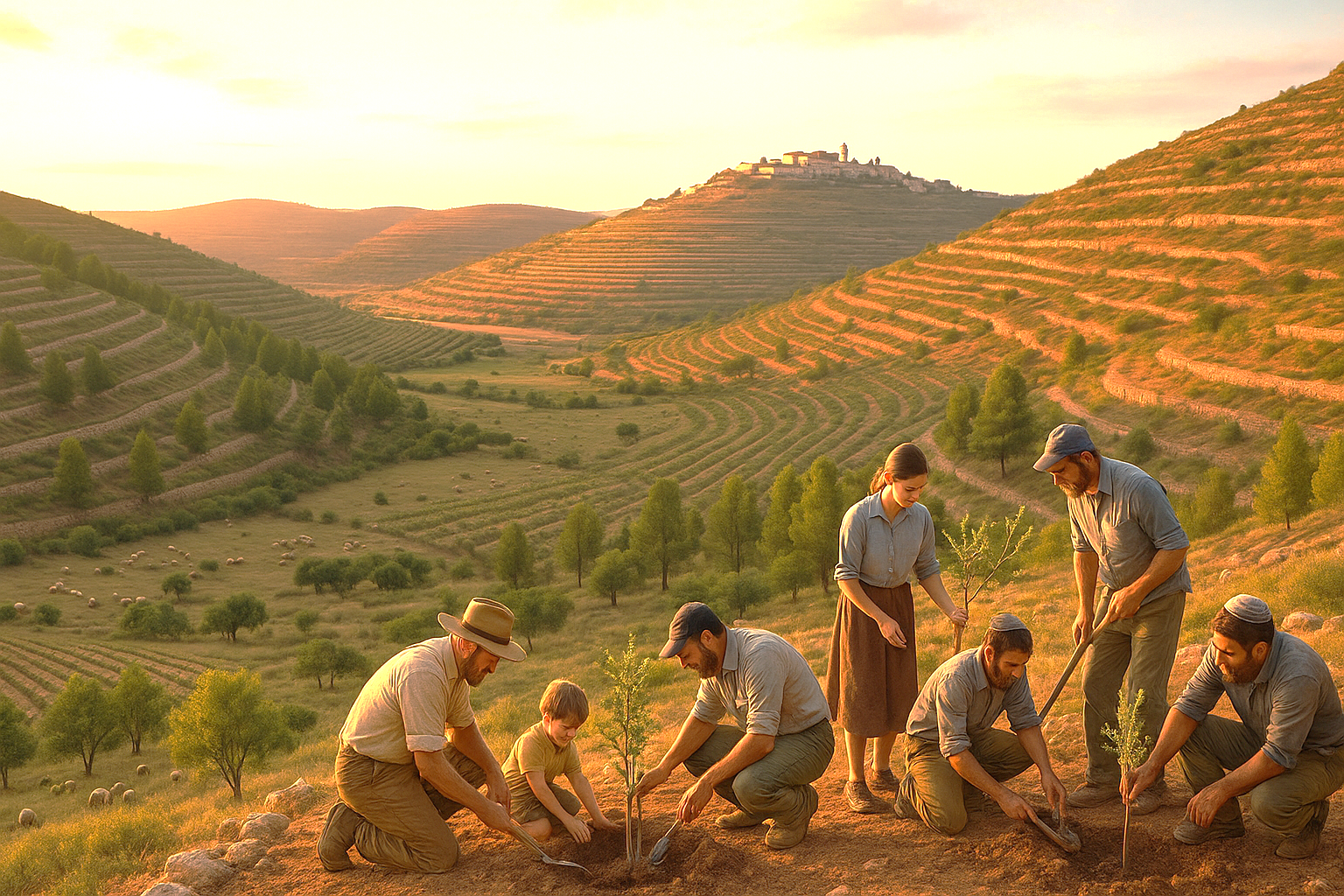
Every seventh year the land rests—so the poor (and even wildlife) may eat and the soil may be renewed.
“For six years you are to sow your land… but the seventh year let it rest and lie fallow, so the poor among your people can eat…”
“A Shabbat of complete rest for the land… you shall neither sow your field nor prune your vineyard.”
Neglecting Shemitah carries national consequences:
Exile and desolation come “until the land has enjoyed its Sabbaths… the rest it did not have when you lived there.”
Rest, the Land, and Peace
Torah ties rest in the land to rest for the people (Deut 12:10), and Joshua records the fulfillment—Adonai giving Israel rest on every side (Josh 1:13; 21:41–43). Conversely, neglect brings unrest and anguish (Deut 28:65). Shabbat is therefore personal and corporate, spiritual and ecological.
Return and Rest
Ignoring God’s command to rest corrodes our well-being. Many of us wear busyness like virtue, but God’s remedy is clear:
“Returning and resting is what will save you; calmness and confidence will make you strong…”
Even common wisdom echoes this. As Stephen Covey’s parable teaches, pausing to “sharpen the axe” yields more fruit than relentless strain. Rest is not wasted time; it is the rhythm that sustains fruitful time.
Yeshua and the Spirit of Shabbat
Yeshua affirmed the purpose of Shabbat: “The Sabbath was made for man.” He confronted legalism that prized the letter over the Giver. If hearts had delighted in God’s rest, more might have recognized the revelation of God in Yeshua ben Yosef rather than seeking only political deliverance.
In Revelation 2–3, the congregation at Ephesus is busy but forgets love—work without worship is wheel-spinning. Shabbat reorders us to love God first.
“Enter My Rest”
Scripture invites us to enter God’s rest now as a foretaste of the world to come.
“Stand at the crossroads… ask for the ancient paths… and you will find rest for your souls.”
“Come to Me, all who are struggling and burdened, and I will give you rest… and you will find rest for your souls.”
Hebrews urges perseverance into this rest:
“So there remains a Shabbat-keeping for God’s people… let us do our best to enter that rest.”
Jubilee: Yovel
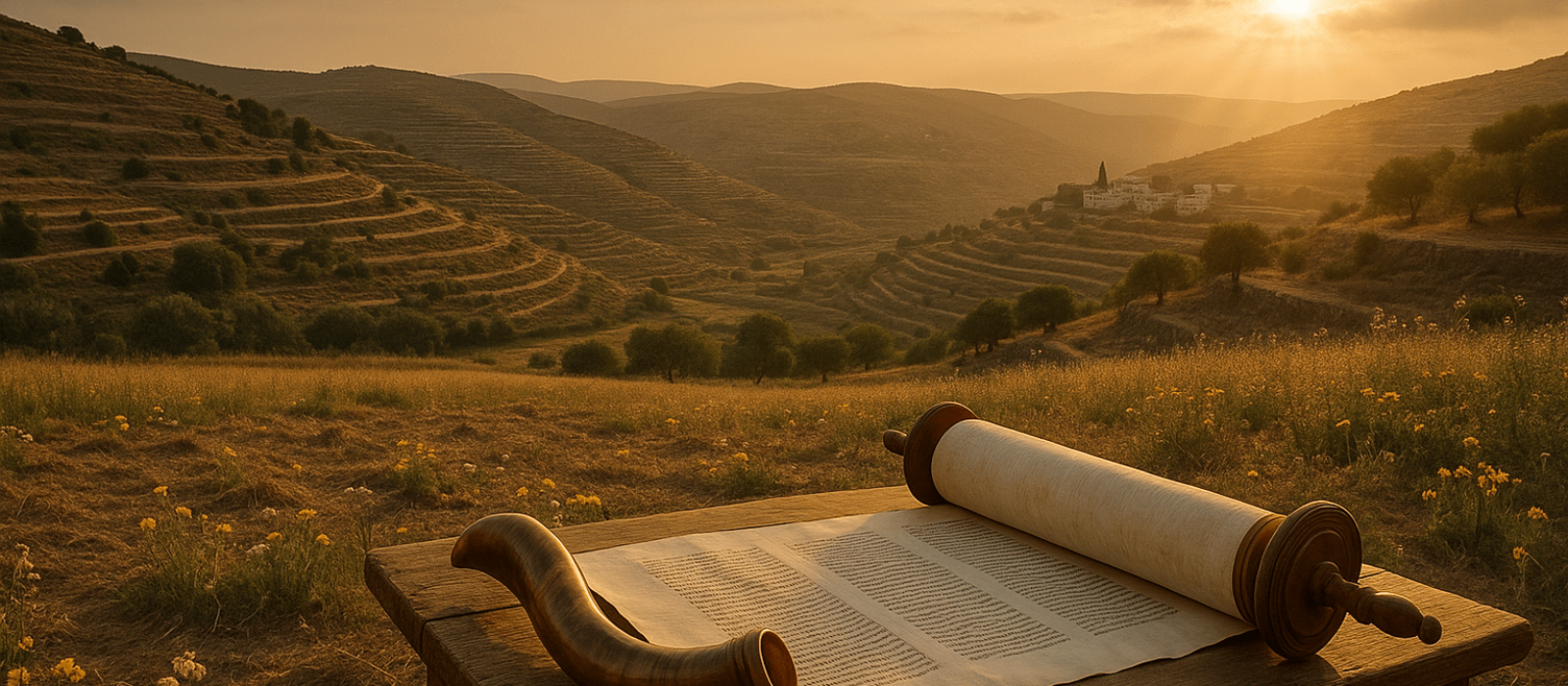
After seven cycles of years comes the fiftieth year—Yovel, signaled by the ram’s horn. Jubilee proclaims liberty, resets inheritances, and reminds us that we are stewards, not owners. Some argue it cannot be practiced today; debates aside, the question remains: what does God say? Jubilee points beyond economics to a kingdom ethic of release and return.
Walking It Out—Little by Little
Some worship on Sunday; others on Saturday. The greater point is sanctifying a day unto Adonai—revival and renewal, not merely attendance. In cultures where Shabbat is broadly honored, obedience is easier; elsewhere, begin with what you know and walk “little by little.” God knows the heart. He is pleased when we love Him, love His children, and move in step with His Spirit.
Encouragement and Call
We are at different places on the path, yet the Spirit leads toward the same Rest. As we honor God’s Sabbaths—weekly, yearly, Jubilee—we witness to a better kingdom and hasten the day when Yeshua returns to establish the New Jerusalem.