

Parashah Va’etchanan Comments (2015)
Our Torah portion this week contains some of the most important passages in the Bible. One example is the “Sh’ma,” as written in the Complete Jewish Bible: “Sh’ma, Yisra’el! Adonai Eloheinu, Adonai echad [Hear, Isra’el! Adonai our God, Adonai is one]…” (Deuteronomy 6:4). Closely joined to it is the “V’Ahavtah.”
“…5 and you are to love Adonai your God with all your heart, all your being and all your resources. 6 These words, which I am ordering you today, are to be on your heart; 7 and you are to teach them carefully to your children. You are to talk about them when you sit at home, when you are traveling on the road, when you lie down and when you get up. 8 Tie them on your hand as a sign, put them at the front of a headband around your forehead, 9 and write them on the door-frames of your house and on your gates…” (Deuteronomy 6:5–9, CJB)
You can also argue that the most important holy day in the year occurs once a week; that is Shabbat, the seventh day, as given to us in the fourth word or instruction Moses was commanded to deliver to the people in this parashah as well (Deuteronomy 5:12–15).
Shabbat Nachamu: The Sabbath of Comfort
Our Haftarah portion this week is from Isaiah 40:1–26. The Shabbat is called “Shabbat Nachamu,” from the first Hebrew words of this haftarah, meaning “Comfort.” This Shabbat is a named, special Sabbath.
There are eleven months in the Jewish year, with a leap month added every two or three years to reconcile the lunar months with the agricultural seasons of the solar calendar. The named Shabbats comprise about 20 percent of the year’s Sabbaths. Shabbat Nachamu is the first Shabbat after Tisha B’Av—the Ninth of Av—and it begins seven consecutive Shabbatot of consolation leading up to Rosh HaShanah.
Tisha B’Av is the saddest date on the Jewish calendar, commemorating the destruction of both the First and Second Temples in Jerusalem, along with other national tragedies. After the rebuke before Tisha B’Av, Isaiah now declares, “Nachamu, nachamu!”—“Be comforted, be comforted!”
Why We Need Consolation: We Forget
Isaiah wrote to a nation devastated by exile, a people who had seen Jerusalem decimated and the Temple destroyed. From that valley of despair, his words bring hope, redemption, and peace. We need these words because we forget.
God brought us out of Egypt with signs and wonders; we complained. He split the Sea; we murmured. He sweetened Marah’s bitter waters; we doubted again. He gave bread from heaven; we demanded meat. Our clothes did not wear out in the wilderness; still we grumbled. We even spoke against Moses’ God-given authority. Forgetfulness breeds ingratitude and, ultimately, suffering.
God’s Reminders: Torah, Prophets, and Love
What does our loving Father do? He sends reminders. In Va’etchanan He commands us to love Him with all our heart, soul, and resources, to impress His words on our children, and to bind them to our hands, heads, homes, and gates.
“You shall love the Lord your God…” (Deuteronomy 6:5–9)
Deuteronomy closes with blessings and curses that call us to remember: obedience leads to life; rebellion leads to loss. He sends judges and prophets to hold up a mirror so we can return. The 613 mitzvot—often called “the Law”—become less about legalism and more about covenant memory: the God who loves us desires an intimate relationship with us.
And in the fullness of time, He sent His Son as the greatest reminder: to reveal the Father’s heart and reconcile us to Himself.
Isaiah’s Hope and the Messiah
Isaiah’s comfort turns despair into resolve. “Remember who God is; return to Him.” Personally, Isaiah 53 showed me Yeshua as the Father’s reminder of His love and the relationship He seeks. Isaiah 7:14 speaks of Immanuel—God with us—and Isaiah 9 names Messiah “Wonderful Counselor, Mighty God, Everlasting Father, Prince of Peace.”
“Therefore the Lord Himself will give you a sign: the virgin will conceive and give birth to a son, and will call him Immanuel.” (Isaiah 7:14)
“…Wonderful Counselor, Mighty God, Everlasting Father, Prince of Peace.” (Isaiah 9:6)
A Personal Reminder: Immersed in His Love
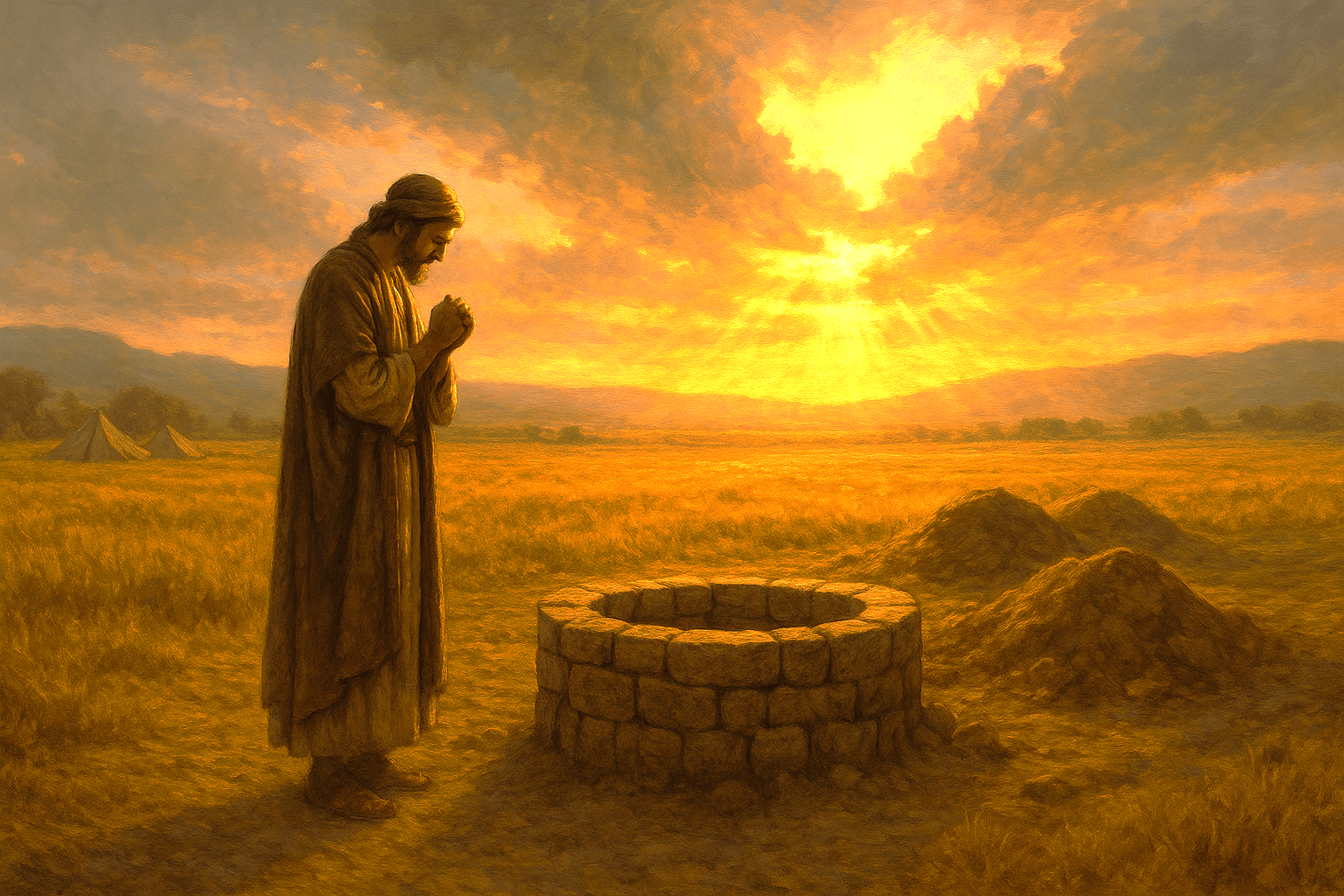
Not long after I first believed in Yeshua, I planned to be baptized the following week. Someone had explained that baptism is rooted in the Jewish tevilah—immersion for cleansing and repentance. At the Mount Hermon Retreat in Santa Cruz, California, I walked each morning for exercise. One day I climbed to a simple wooden cross. No one stood there; yet I sensed Yeshua meeting me. As I touched that cross, I fell to my knees, weeping, and knew He died for my sins. Though my formal baptism was still a week away, I realized my true immersion had just happened—in tears, dew, and surrender.
Another Reminder: The God Who Hears Prayer
Later, determined to lose 60 pounds for my wife’s birthday, I asked God for help. Two days afterward at the gym, a man I barely knew approached me: “I hear you want to lose 60 pounds. I’d like to train you—for free.” His name was Allan Gibson. After we began, I learned his father was a retired minister. When I told Allan I had prayed for help, he asked the date. It was the very day he felt prompted to offer assistance. God had answered—precisely.
Remember and Return
Forgetting is human. We all drift—distracted, self-absorbed, misdirected. That is why Shabbat Nachamu matters. It calls us back to the Shema, to love, to rest, to consolation, and to hope. If you need a reminder, speak with me or others who can testify: God is real, Scripture is true, and everything you truly need flows from the One who loves you and stands ready to comfort you.
May we approach the joy of Rosh HaShanah in seven weeks with renewed hearts, remembering—and returning—as we await the day when Yeshua returns for the final reminder.