
Parashah Tzav (2014): Commanded Fire and a Holy Center
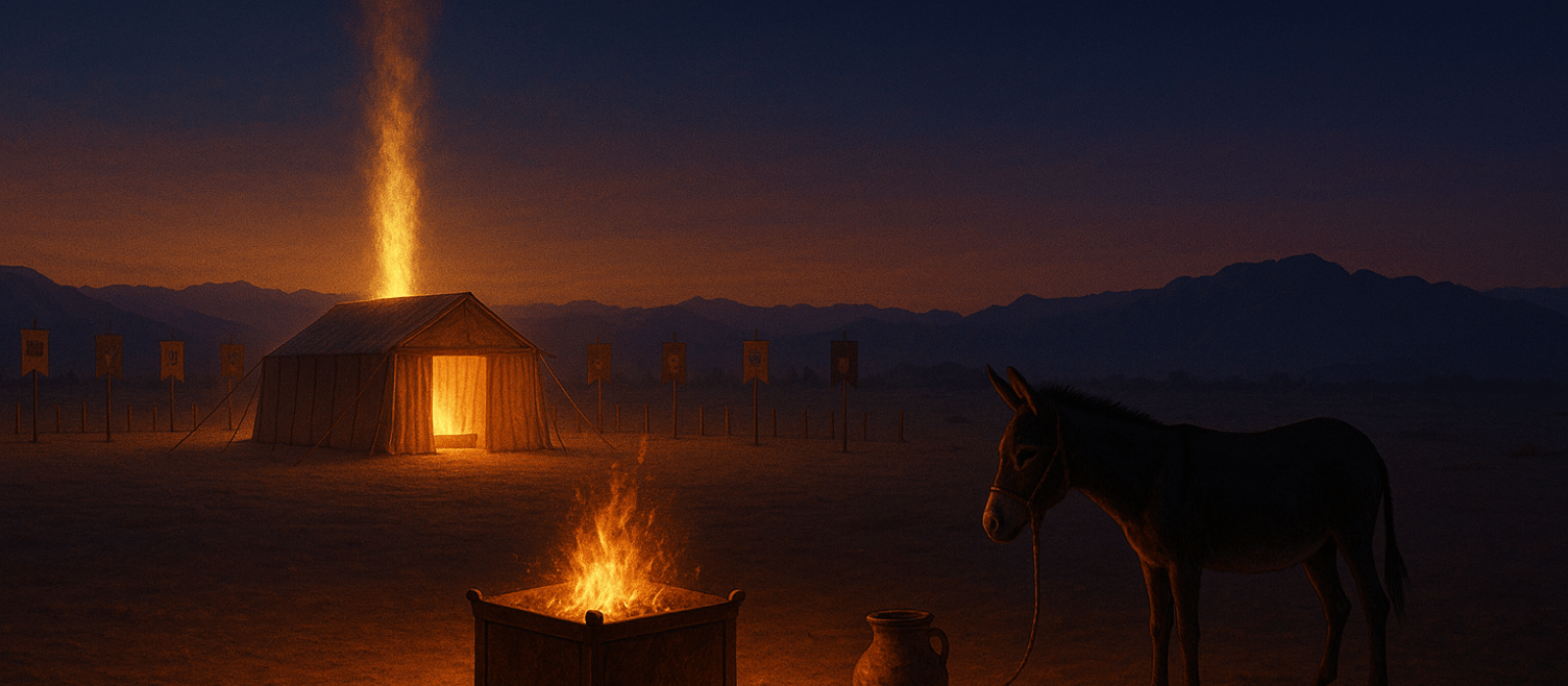
This week’s Torah portion is called Tzav—“Give an order.” Adonai instructs Moshe to tell Aharon the rules of the burnt offering and then details further sacrifices, concluding with the consecration of Aharon as High Priest and his sons as kohanim to serve in the Mishkan.
The Tabernacle stood at the center of the twelve tribes, teaching Israel that worship, covenant, and holiness belong at the center of our lives. Later, the Temple in Jerusalem would embody this same center.
Gamaliel, Two Students, and a Turning Point
In the time of Yeshua, two great academies shaped Jewish thought: the schools of Shammai and Hillel. Hillel’s grandson, Rabban Gamaliel, led with widely respected wisdom. In the Brit Chadashah, we meet Gamaliel in the Sanhedrin advising restraint toward Yeshua’s emissaries.
“…Leave these men alone! Let them go! For if their purpose or activity is of human origin, it will fail. But if it is from God, you will not be able to stop these men…”
Gamaliel’s two renowned students were Rabbi Yochanan ben Zakkai and Rabbi Sha’ul (Paul) of Tarsus. After the destruction of the Temple in 70 CE, Yochanan ben Zakkai secured “Yavneh and its sages,” shifting the center of Jewish learning from Jerusalem to Yavneh near modern Tel Aviv. This became a watershed moment for Jewish practice without the Temple.
Torah, Oral Torah, and the Question of Authority
Many Orthodox authorities elevated the Oral Law (eventually committed to the Talmud) to parity with, and sometimes priority over, the Written Torah, citing passages such as Deuteronomy 30:12. Yet read in context, the Torah emphasizes accessibility—near to mouth and heart for obedience.
“What I am commanding you today is not too difficult… It is not up in heaven… nor beyond the sea… No, the word is very near you; it is in your mouth and in your heart so you may obey it.”
Not all Jewish streams embraced the same posture. The Karaites, for example, rejected giving the Talmud that level of authority. Still, mainstream tradition followed the Yavneh trajectory. Readers can weigh these claims for themselves; the point here is to show how Yeshua’s followers read Torah and Prophets as converging on the Messiah.
Moshe and Yeshua: Echoes Across the Covenant
From our vantage as believers in Yeshua’s Messiahship, the contours of Moses’ calling foreshadow Messiah’s ministry. Below are paired glimpses showing the pattern of first and greater redemption.
Persecution in Infancy
Matthew 2:16: Herod orders the slaughter of Bethlehem’s boys.
Signs in Water
John 2:9: Water turned to wine by Yeshua.
Mastery of the Sea
John 6:19: Yeshua walks upon the water.
Bread from Heaven
John 6:32–35: Yeshua—“I am the bread of life.”
Torah and Fulfillment
Matthew 5:17: Yeshua comes not to abolish but to fulfill.
Forty-Day Fast, Foreknowledge, and Faithfulness
Luke 4:1–2: Yeshua fasts forty days.
Numbers 31:2: Moses foreknows his death.
Matthew 16:21: Yeshua foretells His suffering and death.
Numbers 12:7: Moses faithful in God’s house.
Hebrews 3:1–2: Yeshua faithful as Apostle and High Priest.
Leadership of Twelve and Deliverance
Luke 6:13: Yeshua appoints twelve apostles.
Exodus 6:13: Deliverance from Egypt.
Matthew 1:21: Deliverance from sins.
Hidden, Revealed, and Raised
Matthew 2:13: Yeshua hidden in Egypt.
Exodus 33:22: Moses hidden in the rock by God.
Matthew 17:3: Moses appears after death.
Acts 2:24: God raises Yeshua; Mark 16:9: He appears after His resurrection.
Donkey, Bread, Water: First and Last Redeemer
Midrashic readings preserved in Kohelet Rabbah envision the last redeemer mirroring and exceeding the first. Rabbi Itzhak Shapira (The Return of the Kosher Pig) highlights three signs shared by Moses and Messiah: the donkey, bread from heaven, and life-giving water.
Riding on a Donkey
In many teachings, the donkey symbolizes worldly desire. Abraham separates from it ascending Moriah; Moses and Messiah are depicted as “above” it. Messiah’s holiness lifts the people themselves as though riding—overcoming the pull of this world.
Bread from Heaven—More Than Manna
Moses mediated manna; Yeshua declares Himself the true bread that gives life to the world. The sign matures from provision to Person.
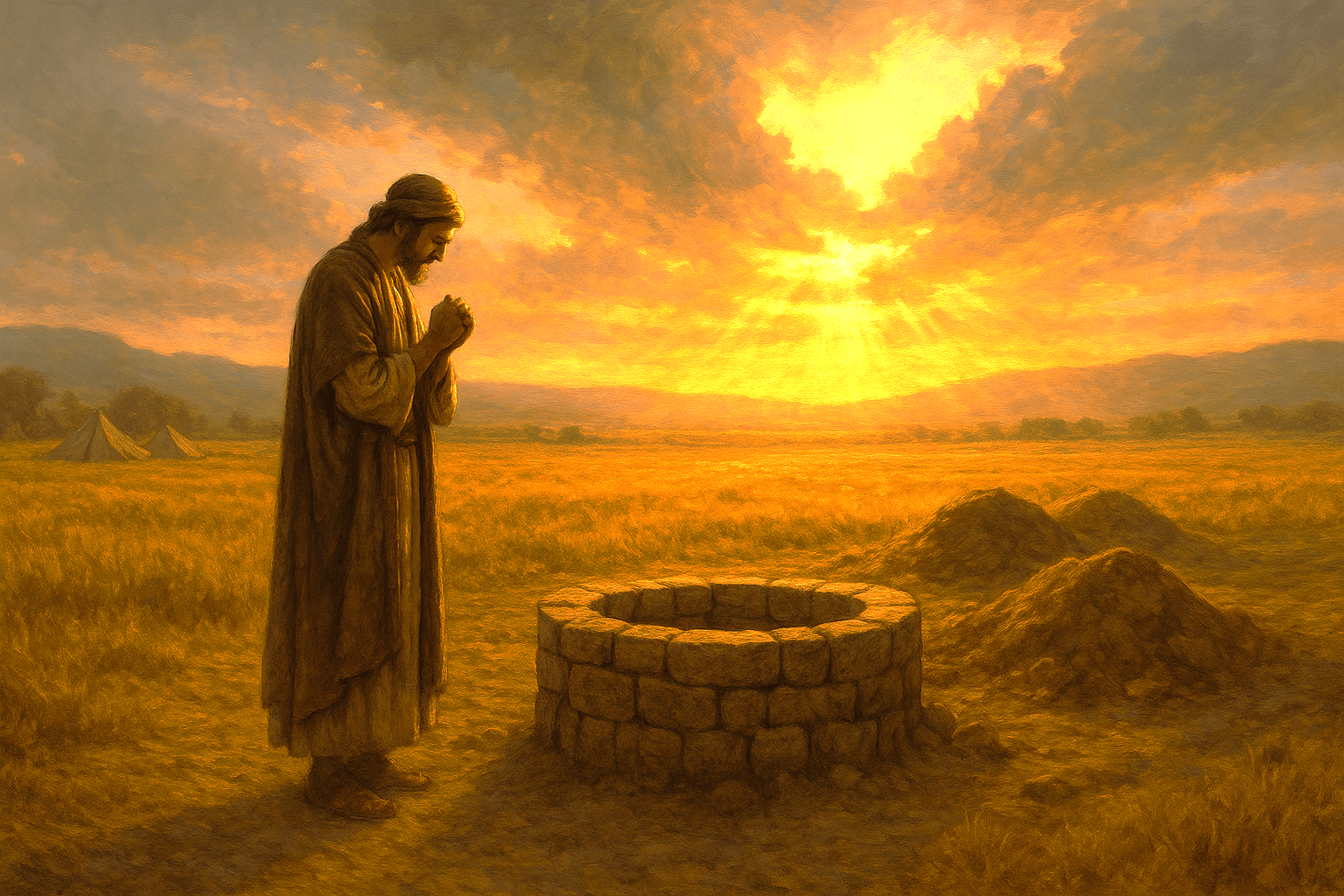
Water from the Well—Owner of Life
Moses sits by a well; Messiah is the source. Water symbolizes the Ruach HaKodesh and resurrection life. The final redeemer grants living water freely.
Revelation 21:6: “To the thirsty I will give… from the spring of the water of life.”
Authority, Salvation, and a Call to Unity
Yeshua claims comprehensive authority—heaven and earth (Matthew 28:18)—and fulfills the Torah’s promise of a prophet “like Moshe.”
1 Timothy 2:5: One Mediator—Messiah Yeshua.
Some of our Jewish brothers and sisters admire Yeshua as a “good man” yet deny His Messiahship. But a merely “good man” cannot truthfully claim what Yeshua claims. The Tanakh and the Writings of the Emissaries present Him as the cornerstone once rejected yet now exalted.
Psalm 133:1: “Hineh mah tov… shevet achim gam yachad.”
A Closing Prayer
Avinu shebashamayim, You promise to grant requests aligned with Your will. Send Your Son, Yeshua HaMashiach, to renew us by Your holiness in His presence. And if not today, grant us strength and courage to do all we can so that He may come without delay. Amen.