
Yom Kippur Message 2023
Did you know there are myths surrounding the Yom Tov (Holy Day) of Yom Kippur? If you didn’t, you are in luck, because I will clarify a few of them—at least the ones relevant to Messianic believers.
Myth #1: Kol Nidre was invented by Crypto-Jews from Spain
Some people believe that the “Anusim” (Spanish Jews forced to convert to Catholicism during the Inquisition), before “officially” beginning the Yom Kippur service, prayed that any lip service paid to Christianity be seen as a sham and not reflective of the true intent of the converted Jew. The rumor that this was the intent of Jewish worshippers became so pervasive that many European courts required Jewish people to confirm that Kol Nidre could not be used to render their testimony as non-binding.
The truth: Kol Nidre pre-dates the Spanish Inquisition by at least 500 years. The name “Kol Nidre” is derived from its first words: “All vows.” It is prayed as a proactive protection against making vows to God that cannot be kept. It does not nullify legal contracts with people, nor does it excuse dishonesty before earthly courts. Whether this is prayed or not, no judge in this world is God, and no court here is heaven.
Myth #2: If you accidentally break the fast, it’s fine to just keep eating
The English word “breakfast” does join “break” and “fast,” but that doesn’t mean the intention of Yom Kippur is to break the fast casually. We all make mistakes. What matters is taking responsibility and committing to be more mindful—this is teshuvah (repentance) and it is the heart of the holy day.
I had a dear friend, now passed on—one of the original “Jews for Jesus.” He ate pork and did not keep kosher as commanded by the Torah. His rationale was that since the Jewish people broke their covenant with God (many times), he was released from the obligation of being kosher. But applying that logic broadly leads to absurdity: because King David sinned grievously, does that make murder acceptable thereafter? Of course not.
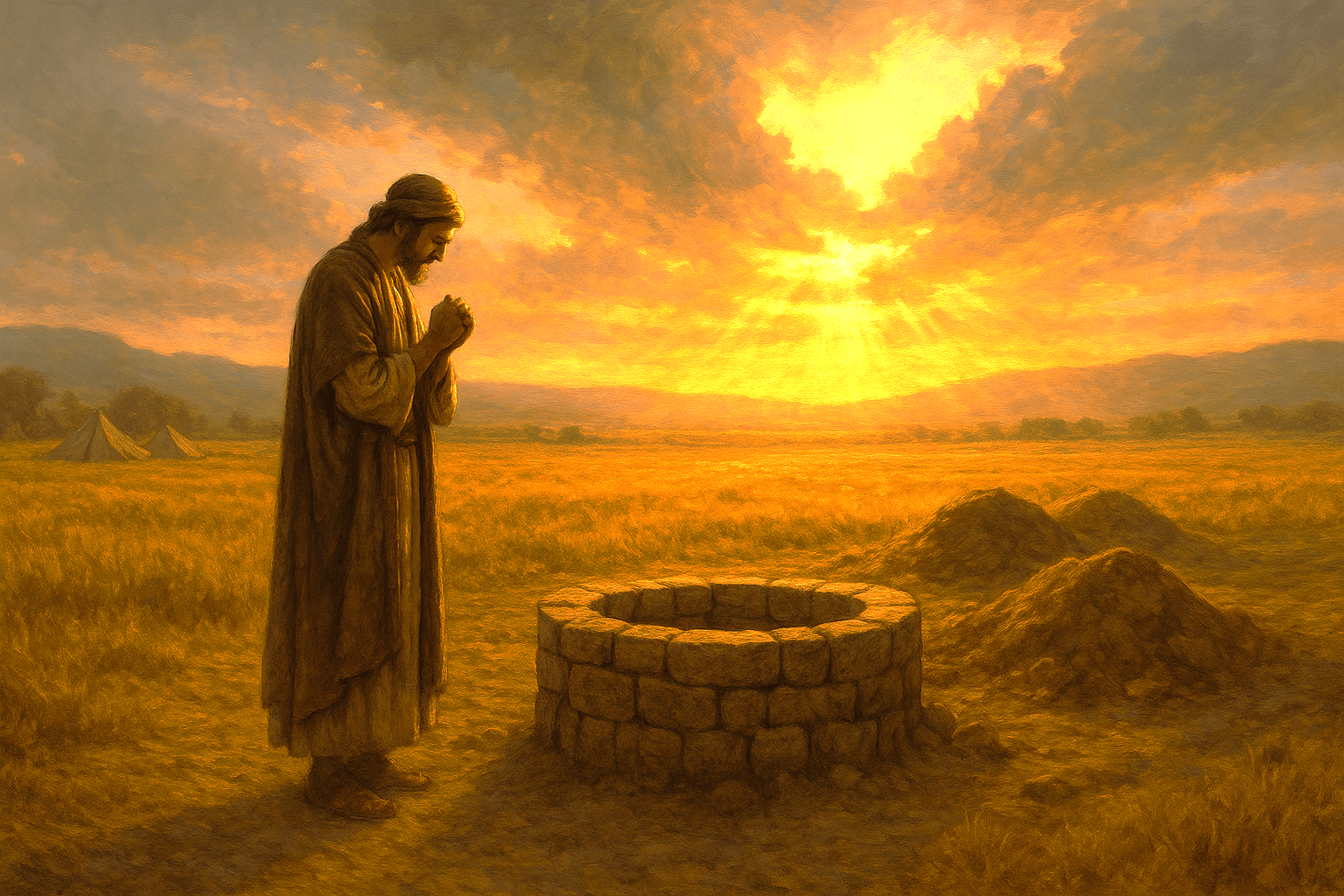
When confronted, David repented and cried out to God. Sinning, repenting, asking for forgiveness, and being forgiven is a recurring biblical rhythm. God created this Feast to draw us into that pattern. When Messiah returns, forgiveness will no longer be needed—no more pain, tears, or sorrow in the New Jerusalem.
Myth #3: Kids must fast three times before their Bar/Bat Mitzvah
There are several fast days in Judaism: the Fast of Esther, 10 Tevet, 17 Tammuz, Tisha B’Av, the Fast of Gedaliah, and more—culminating, of course, in Yom Kippur. Some say a Bar/Bat Mitzvah candidate must fast the last three on the calendar before their ceremony. In reality, there is no such universal requirement. Before reaching spiritual adulthood, a child’s primary commandment is to honor and obey their parents; beyond that, families and communities may guide practice with wisdom and health in mind.
Myth #4: Yom Kippur is a sad day
Because other fasts (especially Tisha B’Av) focus on mourning, many assume Yom Kippur is similarly somber. In fact, Yom Kippur is deeply joyful—the joy of forgiveness and renewal before God.
Myth #5: The most important requirement is to be in God’s House—drive if you must
Some will drive to services rather than miss attending. Yet among traditional communities, traveling by car on Yom Kippur is generally avoided. The Torah explicitly mentions two prohibited labors on Shabbat in the context of the Mishkan—kindling fire and carrying—understood to encompass categories of human productivity. If you can’t walk to synagogue, many would counsel that it’s better to stay home and sanctify the day there than to violate sacred rest to arrive.
Myth #6: The fast ends when the shofar blows
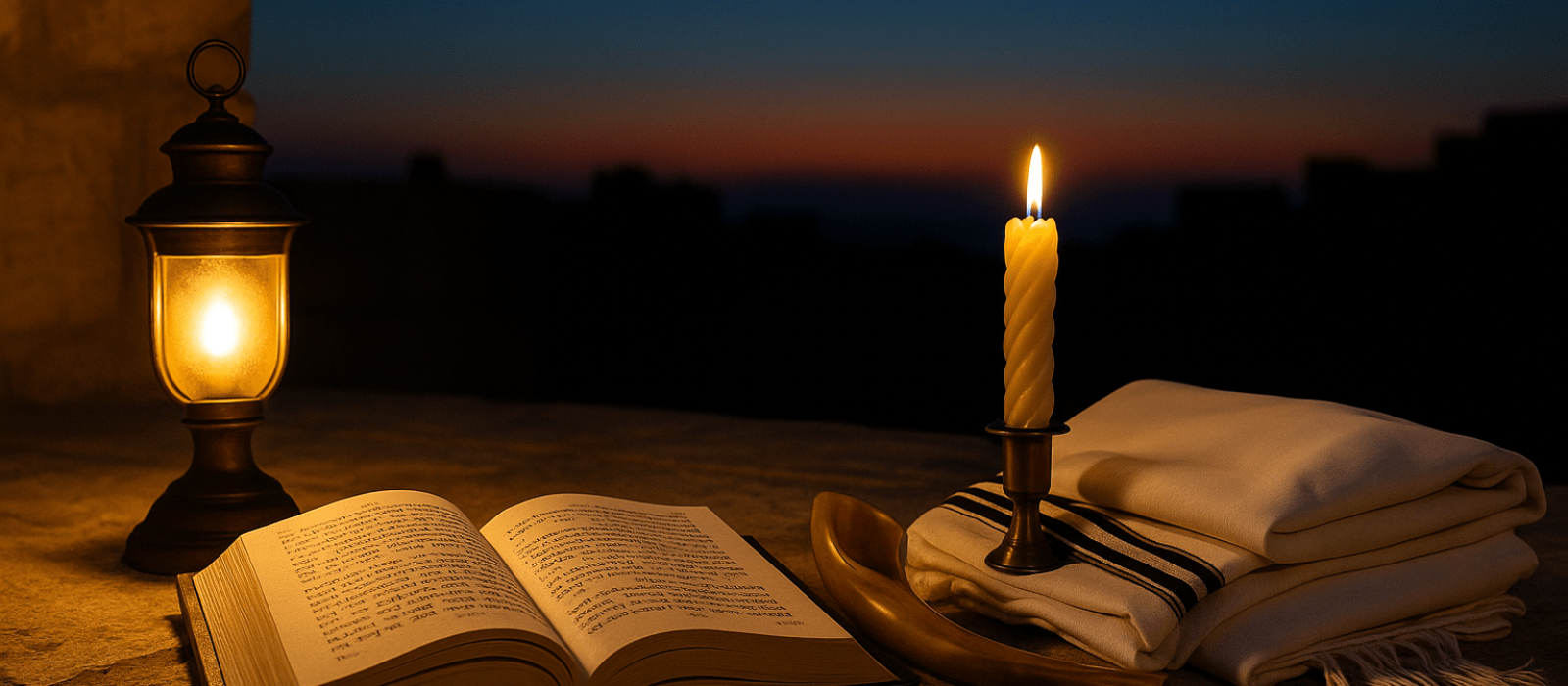
Some break the fast as soon as services end with the final shofar blast. The conclusion of the service is indeed for celebration—God’s forgiveness received and relationship restored—but eating traditionally waits until the fast’s full duration has elapsed: 25 hours from the start the previous evening.
“God called the light ‘day,’ and the darkness He called ‘night.’ And there was evening and there was morning—the first day.” (Genesis 1:5)
“Then God blessed the seventh day and made it holy…” (Genesis 2:3)
So when exactly is the 25th hour? At nightfall—defined by sunset or when three medium-sized stars are visible. Traditional “hours” (sha’ot zemaniyot) divide daylight and night each into 12 parts, so their length varies by season and latitude. The extra hour “builds a fence” around Shabbat and Yom Kippur, ensuring we neither begin late nor end early.
“…all who keep the Sabbath without desecrating it and who hold fast to My covenant—these I will bring to My holy mountain and give them joy in My house of prayer.” (Isaiah 56:6–7a)
Myth #7: Yom Kippur services are typical of all Jewish services
If this is your first time at a traditional or Messianic service, don’t assume they are always this long and intense. It would be like visiting a school only during final exams and expecting that schedule year-round. Come again, and you’ll find weekly worship marked by joy, light, learning, and love for God and one another. We gather because we want to, not because we have to.
This is a place to encounter God and the Jewishness of His Messiah. To the extent we do this, our peace and joy will abound.
May all who come here receive the peace and love of God, and the nearness of His Kingdom. May your presence at this service—and the presence of God Almighty—bless you now and forever.
Amen!