
Rosh HaShanah Comments 2024
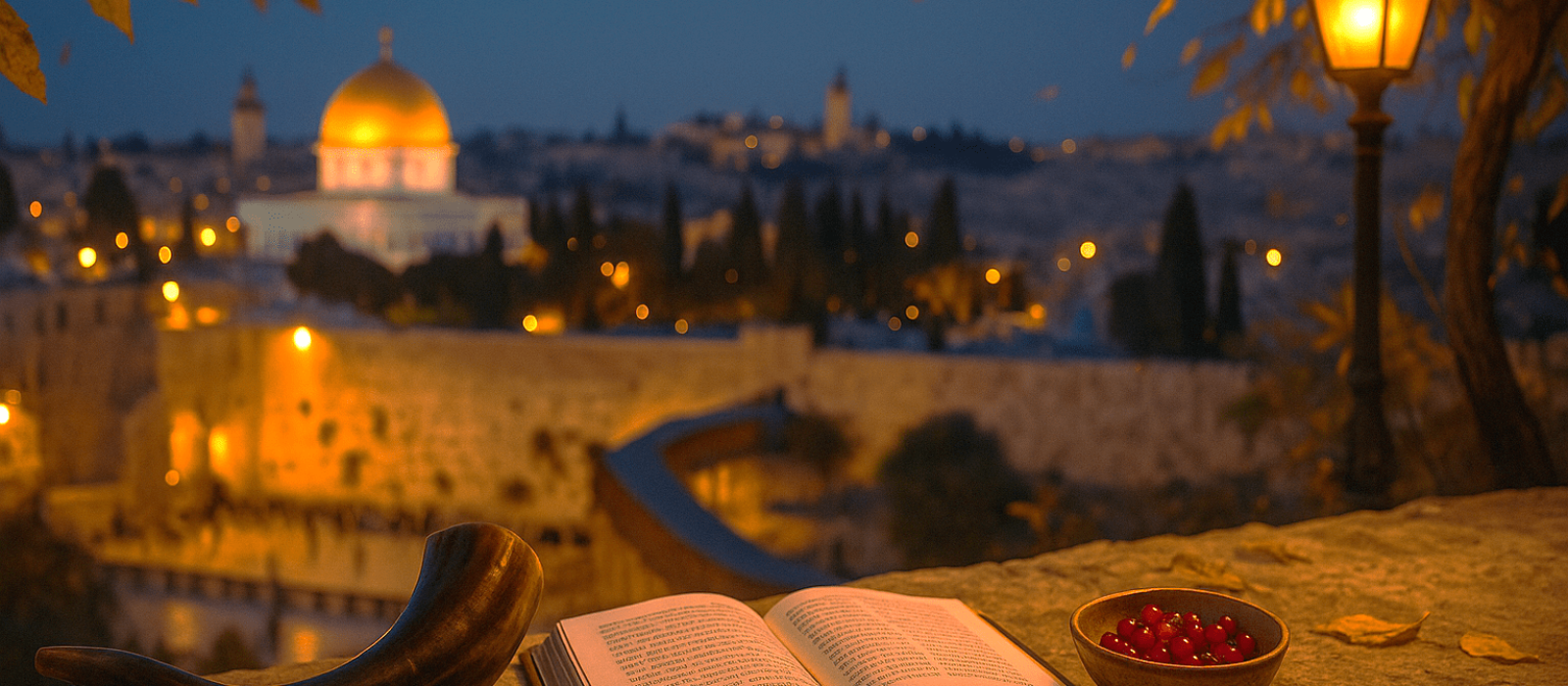
The period from the first day of Rosh HaShanah through Yom Kippur is called the High Holy Days—the Ten Days of Awe. This season continues the soul-searching that began in Elul and brings it to a holy crescendo on Yom Kippur.
These Ten Days are also called the Ten Days of Repentance. Think of them as a merciful grace period: if you did not complete the inner work during Elul, now is your “crunch time.” But there is a condition—repentance must include repairing the harm we have done to others. Yom Kippur does not bypass that.
“So if you are offering your gift at the Temple altar and there remember that your brother has something against you, leave your gift there before the altar; go first and be reconciled to your brother, and then come and offer your gift.”
You might ask, “Why not just be expedient and apologize to God for everything on Yom Kippur?” Two reasons. First: He is not the one you directly offended. Second: remember, “Forgive us our trespasses as we forgive those who trespass against us.” If we refuse to reconcile with people we have harmed (or those who have harmed us), our prayers on Yom Kippur ring hollow before HaShem.
If you did not mend breaches during Elul and are still hesitating at the start of 5785, take heart—but act quickly. Yom Kippur is nearly here. How would you feel if you knew you were outside the will of God for a whole year? The apostles speak of approaching the Holy One with “fear and trembling”; “awe” carries the same weight.
Why dredge up uncomfortable memories? Because our calling is to emulate the divine qualities God reveals in Scripture and in His Messiah—summed up in one word: chesed, lovingkindness. Since God seeks reconciliation with His creation, He calls us to restore relationships—with Him and with one another. The fruits of a healthy relationship include empathy, appreciation, respect, honesty, trust, intimacy, compassion, and forgiveness. Strong relationships help heal loneliness and isolation. Agreeing with God means acting like we agree.
A damaged relationship diminishes life for both parties. It disturbs peace and stunts spiritual growth. Early in my journey with Yeshua, I carried resentment toward both Judaism and Christianity—Judaism, because I felt the culture made even considering Yeshua treasonous; Christianity, because Yeshua often appeared stripped of His Jewishness. Like Joseph, who was unrecognizable to his brothers when robed as an Egyptian, the Jewish Messiah was presented to me as something other than Jewish.
Only when I released bitterness and forgave both communities did my walk accelerate. I discovered myself the beneficiary of a divine relationship that brings increasing peace as I draw near to the Master of the Universe and His Son, Yeshua haMashiach. I do not believe most Christians seek to erase Messiah’s Jewish character, nor that Judaism seeks to hide Him. I trust this is part of God’s master plan to restore Eden-like fellowship, as foretold in Isaiah 25:8; Revelation 21:3–4; and 1 Corinthians 15:28.
Bitterness only harms the one who holds it. Nursing resentment is like drinking poison and hoping the other person dies. The gift of Elul and the Ten Days of Awe is courage to face truth: to unhook ourselves from resentment’s ball and chain and to move from victimhood to victory by forgiving, reconciling, and returning to God.
Accidents and conflicts are rarely one-sided. Blame changes nothing; repentance changes everything. Own your part—however small you think it is—seek the higher road, forgive, and step closer to El Shaddai. It is the log in our eye, not the splinter in our neighbor’s, that Messiah calls us to confront.
Viktor Frankl, a Holocaust survivor and psychiatrist, wrote in Man’s Search for Meaning: “Happiness cannot be pursued; it must ensue… Between stimulus and response there is a space. In that space is our power to choose our response.” The Ten Days of Awe are God’s gracious “space” for holy choosing.
Some say Torah obedience is confining or legalistic. I say: try it. The more we welcome God’s wisdom through His Word and His Messiah, the more we taste freedom. God will be satisfied when His creation is at peace and His Kingdom fills the earth with light—no darkness, no pain, no death (see Isaiah 25 and Revelation 21).
Let us use every tool God gives: to live in His will now, and to be with Him when He calls us home. These holy days are a wise and awesome implement—an annual picture of introspection, contrition, mercy, and reconciliation that HaShem declares and Messiah confirms.
May we bless them both in how we use this gift. May we not only understand the power and significance of these days, but apply their lessons to our lives. B’shem Yeshua, amen.
SHANAH TOVAH!!!
Isaiah 25:8; Revelation 21:3–4; 1 Corinthians 15:28; Matthew 5:23–24; Matthew 6:12; 2 Corinthians 7:15; Ephesians 6:5; Philippians 2:12.